News > Profit for Good Case Study: We Make Culture
Profit for Good Case Study: We Make Culture
03 Mar 2026 / Nhung Phung
Interview with Laura Brewis, We Make Culture
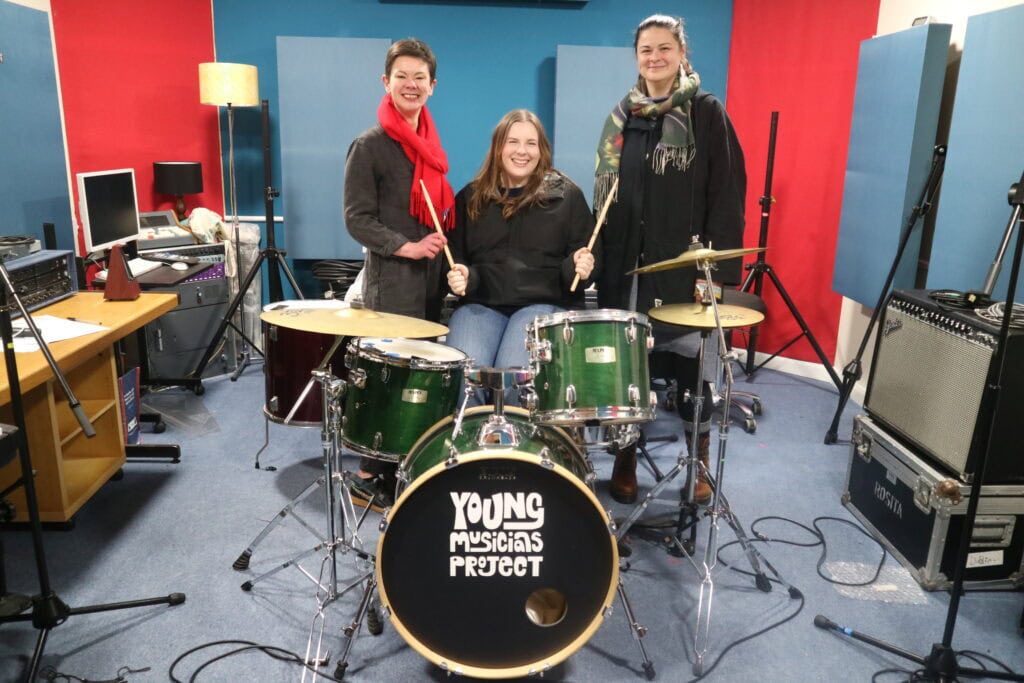
Laura Brewis, part of the 2025 Profit for Good programme, runs music-making charity, We Make Culture. After eight years of youth-led delivery, they wanted to share what they’ve learned about youth voice, reflective practice, and creative leadership through a consultancy for other organisations.
Q: Why explore enterprise rather than more charitable funding?
A: Funding is scarce and always comes with strings. There are things we want to do that don’t fit funder priorities. Enterprise feels like a way of being more self-reliant while staying true to our mission.
Q: What attracted you to Profit for Good?
A: The learning journey and the local cohort. I’m Sunderland born, so building a network of people doing similar things mattered to me. It wasn’t just “here’s some money, off you go”. It felt genuinely supportive.
Q: How has it been running enterprise alongside your charity work?
A: Challenging at times – it’s another thing to do in an already full workload. Sometimes heading to the training days felt stressful, but once you’re there it’s like buying a bit of brain-space. It’s worth it.
Q: What have you learned from Profit for Good?
A: The big one is my relationship with profit. Charging for things has always felt a bit alien, almost compromising. Understanding that earning money doesn’t undermine our values has been huge.
Q: What difference has that shift in thinking made?
A: We’ve always run free sessions with “pay what you feel” and we’ve always had waiting lists. We didn’t want a two-tier system; those who can pay and those who can’t. But recently we tried a paid singing group for older people, just a fiver, and everyone paid. It was a revelation: no funding bid, no hoops, just something people valued. It’s definitely chipping away at my resistance to profit.
Q: Would you consider repayable finance or social investment now?
A: Before the programme, absolutely not. Now it feels more possible. Hearing from others further along that journey has made it much less scary.
Q: What are your long-term plans?
A: We’ve already done bits of consultancy and evaluation work. We want to grow youth-voice training and, most excitingly, build youth leadership into the enterprise. The dream is that young people become the consultants. That’s when the enterprise and our core mission really merge.
Q: What impact is your enterprise is having?
A: We’ve made money and started gathering client testimonials. We’re building a track record. It’s early days, but it’s happening.
Q: What’s been the best part of Profit for Good?
A: It’s been richer than I expected. It’s sparked big conversations across our organisation and shifted our thinking. And I absolutely love the Sunderland cohort — they’re brilliant.
Share
Tags
Enterprise Profit for Good Sunderland