News > Ripples Story: “Trust as a value and a system”
Ripples Story: “Trust as a value and a system”
26 Jun 2026 / Nhung Phung
In this article, Kai Wooder, The Rank Foundation’s Director of Programmes, explores how we build and sustain trust, not just as a value, but through the systems, behaviours and decisions that shape our work.

Trust is often described as a core value, within relationships, organisations and systems, something to be encouraged and modelled. But in practice, trust is not built through statements or inspirational social media posts but through the repeated, observable patterns of behaviour that shape how people are treated, how decisions are made and how power is exercised.
I like to think of trust like building muscle, it needs exercise… and plenty of it.
This is especially true in grant-making foundations, where trust is both essential and fragile. The relationship between funders and charities is traditionally imbalanced, one partner holds resources; the other seeks them. Without deliberate and consistent effort, this asymmetry can create caution and distance rather than honest partnership.
It sounds bizarre to talk about a human value in this way but if a foundation, or any organisation, is serious about building trust and an ethos of partnership, they must design for it. At Rank, we focus on what trust looks like in practice. What do we actually do that builds it? Because whether it be enterprise or grant-making or place-based working, if we value it, we need to not just model it, we need to be it.
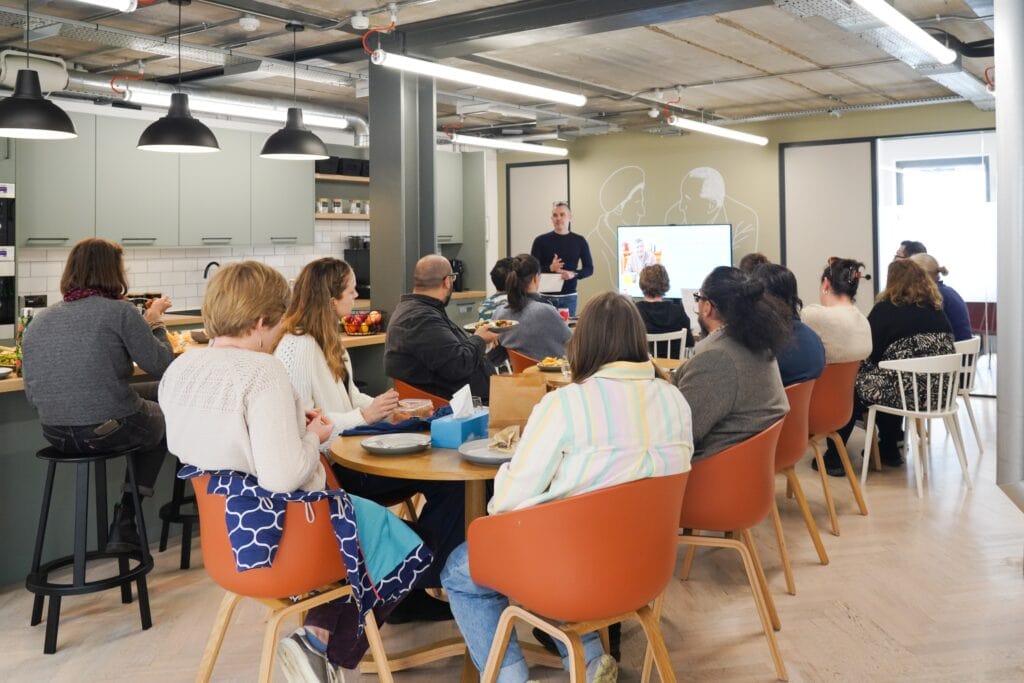
That’s why we operate our own social enterprise (a coworking space in London), offer repayable grants and we are transparent in our data sharing (360 Giving). If we want to build trust, we start with being trust-worthy. A few thoughts on how:
Consistency:
A single positive interaction does not build trust but consistency does. When foundations change direction without explanation, or treat similar organisations differently, trust can erode quickly. Consistency doesn’t mean rigidity, at Rank, retaining flexibility and agility is a high priority for us (you can read more on that in Kerry’s article).
Our hope is that over time, RankNet members begin to recognise patterns: how we respond under pressure, how we handle difficulties, and whether our actions align with our values.
Authentic interest:
Charities and social enterprises need to trust that funders understand their work, the environments they operate in and the challenges they face. Overly burdensome applications, unrealistic reporting requirements, or poorly structured grants can signal a lack of understanding, undermining trust.
I’d like to think this is an area of strength for us; in the genuine curiosity we have for your work, in the quality of questions asked, the relevance of feedback given, and the design of funding processes including our fieldwork approach (time spent in places and with people).
Clarity and transparency:
For charities, unclear funding criteria, shifting priorities, or hidden decision-making processes create frustration and maybe distrust. Organisations may spend their vital time tailoring applications to perceived expectations rather than on what is really important.
While difficult conversations can be uncomfortable, having the mutual respect to be honest about constraints and expectations, even if the answer is ultimately no, builds trust.
Psychological safety:
Trust grows in honest places. It is important for colleagues and organisations to feel able to speak openly. In low-trust environments, organisations may overstate success, underreport challenges or avoid raising concerns altogether. This would be one of our biggest failures.
We work to counter this by explicitly inviting feedback and listening intently. We also work alongside the RankNet Leaders Action Group, relying on their insights, honesty and challenge.
Every interaction either builds or erodes trust. There are no shortcuts, like fitness, it’s the result of consistent effort over time. Being intentional about trust is important, it can’t be left to chance. Trust enables meaningful work and meaningful relationships. Just like building muscle, it will be painful sometimes, it will be boring sometimes, it will be invigorating sometimes, it will be worth it, always.
Read the full latest issue of Rank Ripples magazine
Share
Tags
News