News > Ripples Story: “Trust as governance”
Ripples Story: “Trust as governance”
23 Jun 2026 / Nhung Phung
In this article, Helen Stockdale, The Rank Foundation’s Senior Events and Engagement Manager, and James Watts-Rees, an RLAG Member, explore how trust is embedded not just as a value, but as a way of governing at the Foundation.

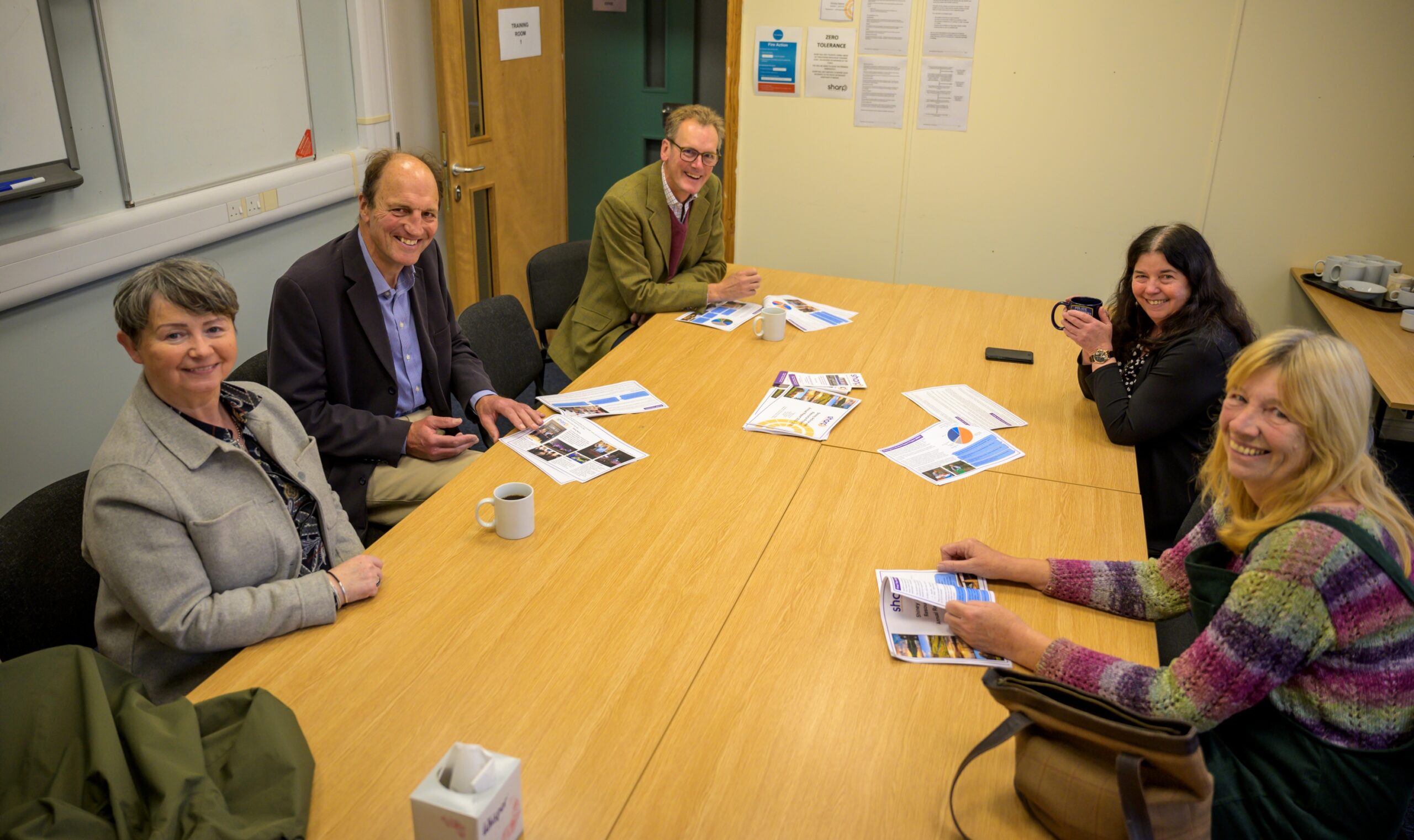
Trust is often talked about as a value. At The Rank Foundation, it is also practised as governance. At the centre of this is RLAG, the RankNet Leaders Action Group. Established in 2015, RLAG is a proactive, relational bridge between communities and the Foundation.
As RLAG member James Watts-Rees puts it:
“RLAG is the direct relationship from the people of the UK to [Rank] that has influence over what they fund and where they fund and what problems they decide to tackle. And to me, that is sacred … that’s incredibly important.”
This idea of “sacred” responsibility gets to the heart of it. RLAG isn’t a tick-box consultation exercise, it’s about genuine influence, so that lived experience directly informs priorities, programmes and funding decisions.
From advisory group to governing influence
RLAG did not start out that way. It was originally a sounding board for conference plans and training offers. But over time, it became clear, Rank was still setting the agenda. Helen Stockdale, Senior Events and Engagement Manager, explained:
“RLAG was responding to prompts, rather than shaping them. We had to move towards a member-led model, where RLAG sets the agenda, brings forward the issues that matter, and helps us shape how Rank responds.” That shift is still evolving but there has been a clear move to shared governance.
Trust built through relationships
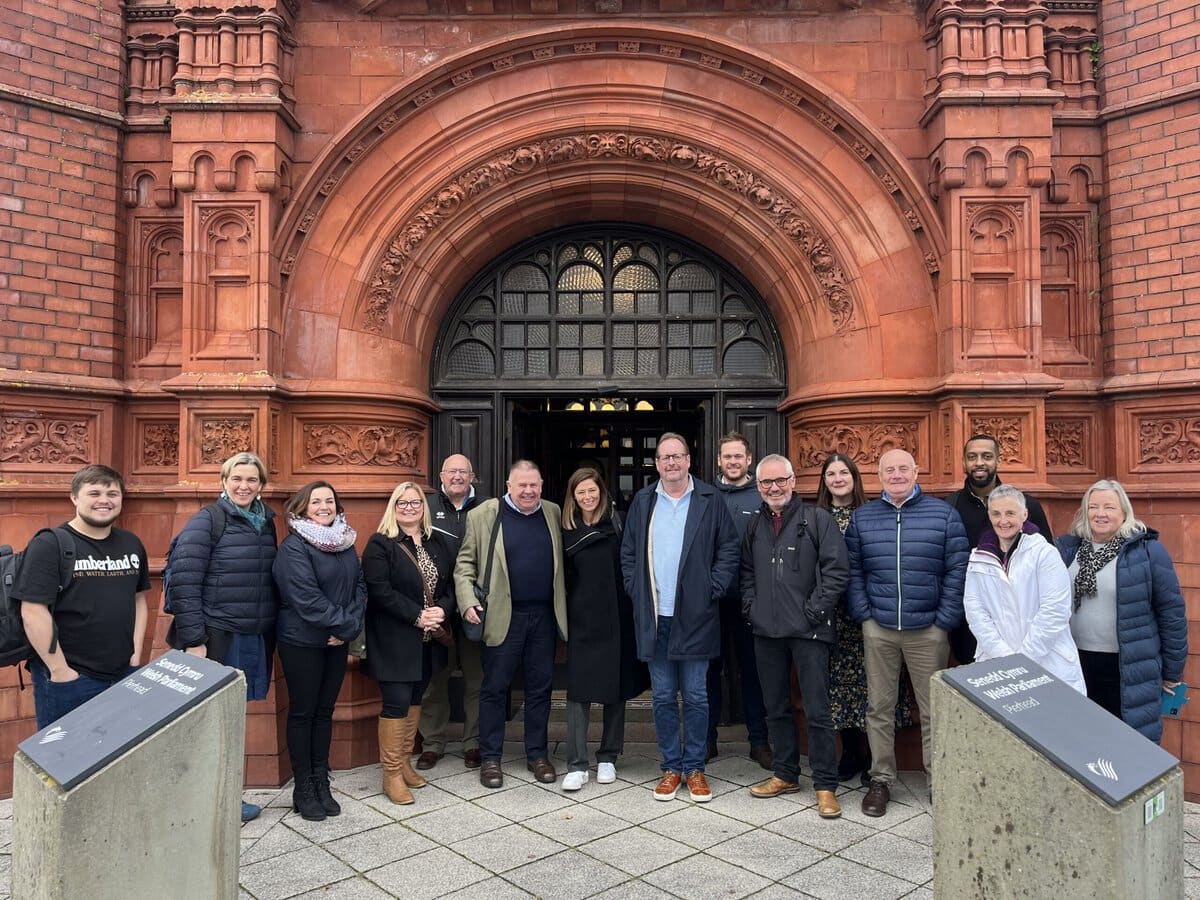
For Rank, spending time with RLAG members connects it to the realities of communities, providing access to voices that might otherwise be distant from decision-making.
“Getting that genuine voice takes genuine connection.” – Helen Stockdale.
Rather than working to a fixed agenda, RLAG responds to what is happening on the ground. Members bring insights from their communities, and together the group considers what Rank’s role should be.
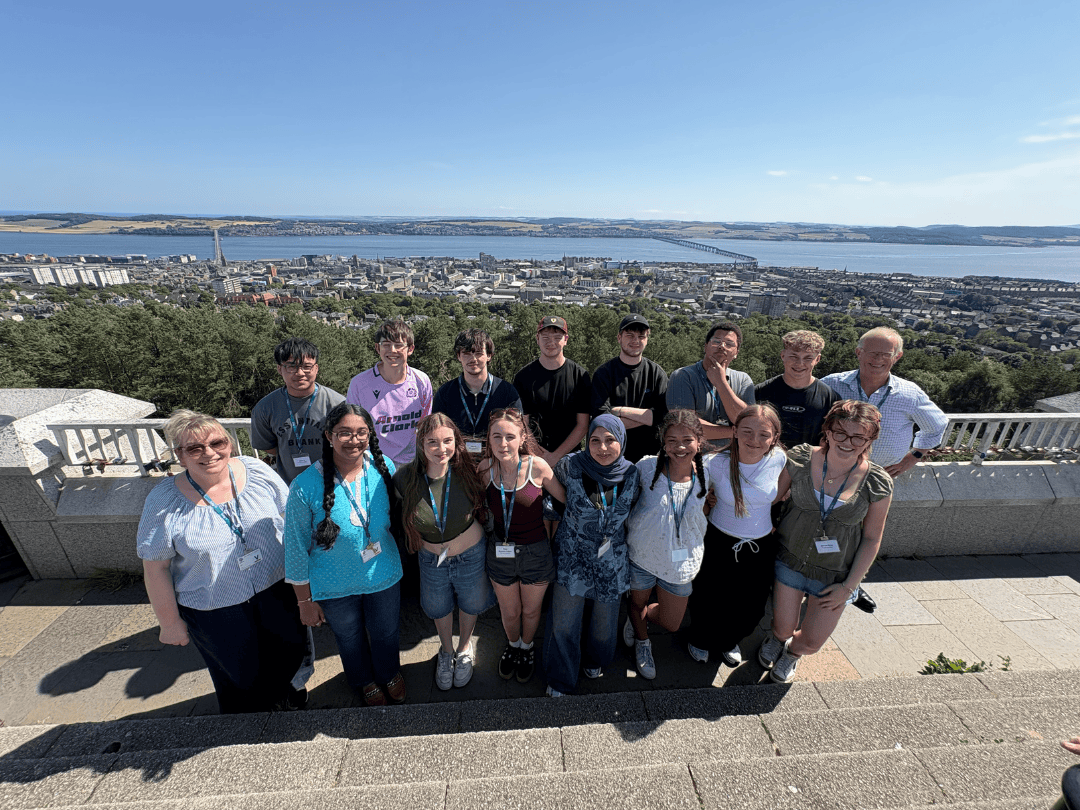
Recent examples include a conference focused on AI and equity, and ‘The Change We Lead’ EDI programme developed in response to rising racial tensions and social media-fuelled misinformation. James describes this as a “community pulse check” but it’s not just about Rank listening. RLAG members are active participants, expected to engage and contribute. In return, they gain influence and development opportunities.
For James, RLAG is a space for growth. Getting to work alongside experienced and emerging leaders from organisations across the country is one of the reasons he commits time to it. Trust-based governance is mutually beneficial.
What’s next?
RLAG is still evolving, which is part of its strength. Each member has a tenure of two to three years and when a place is available, Rank Network members are invited to apply. As James reflects:
“Whoever the members of RLAG are will decide what RLAG is… it’s whatever the members and Rank think it should be at that time.”
This adaptability keeps RLAG relevant and grounded, so Rank stays responsive to the communities it exists for.
Read the full latest issue of Rank Ripples magazine
Share
Tags
News