News > Ripples Story: “Spaces to Bridge Divides”
Ripples Story: “Spaces to Bridge Divides”
24 Mar 2026 / Nhung Phung
In this article, Harriet Vickers, a conflict resolution specialist, shares how she bridges divides by creating spaces where people from different backgrounds can meet to talk and build something together.

Communities are constantly evolving, shaped by shifting demographics, economic changes, and social dynamics. These transformations bring vibrancy and opportunity but can also create uncertainty and tension. Diversity strengthens society, yet without meaningful engagement, it can lead to division and mistrust. When people feel disconnected from the places they call home, whether due to shifting identities, power dynamics, or unequal access to resources, frustrations grow.
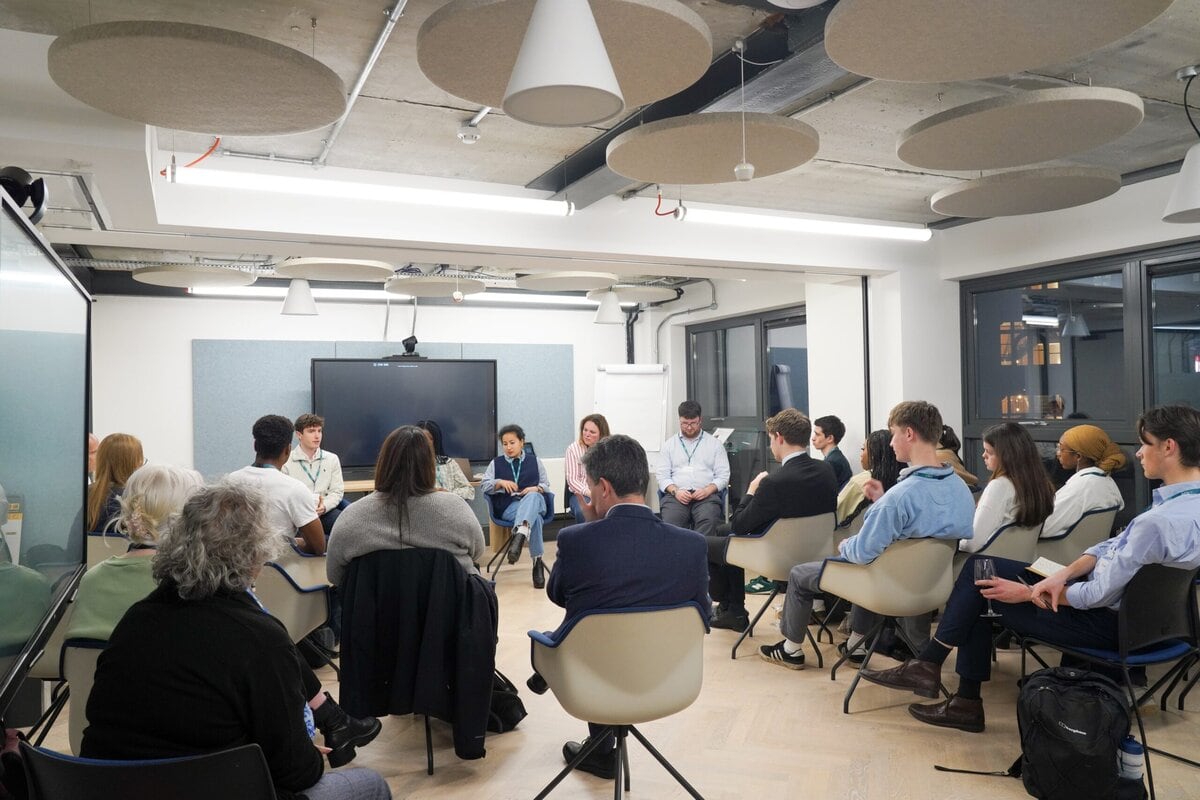
My work in dialogue and conflict resolution focuses on bridging these divides by creating spaces where people from different backgrounds can meet, talk, and build something together. Over the past decade, I’ve seen that when people engage meaningfully, they can move beyond fear and suspicion toward understanding and shared purpose.
Change is inevitable
The challenge is ensuring that change strengthens communities rather than divides them. Cohesion requires more than symbolic gestures; it demands long-term engagement, shared spaces, and removing barriers to participation. While one-off events may create a positive moment, lasting trust is built through relationships embedded in everyday life.
Regular interaction between people from different backgrounds, whether in workplaces, schools, or community projects, reduces mistrust and fosters cooperation. Structured engagement dismantles stereotypes and builds social trust, particularly when it takes place under conditions of equality, shared goals, and institutional support.
What works: Shared experiences and structured dialogue
Some of the most effective cohesion efforts happen through shared experiences. In a youth leadership programme I facilitated, young people from different countries explored identity, conflict resolution, and leadership. Through dialogue and engagement, they developed socio-emotional skills and gained new perspectives, shaping how they navigated division back home. These experiences strengthened leadership and resilience by recognising and supporting existing community capacities.
Dialogue and storytelling are also powerful mechanisms for fostering understanding. Through structured conversations between individuals with opposing ideologies, I have seen how difficult but necessary discussions break down prejudices and foster trust. Meaningful engagement must go beyond superficial contact; genuine relationships form when people share experiences in a supportive setting. However, for dialogue to be truly transformative, it must be paired with broader structural support, including policy shifts, community investment, and long-term engagement.
A city-wide dialogue on radicalisation in 2015 exemplified this approach. Rather than enforcing a top-down security agenda, this initiative created space for open discussions on extremism, social cohesion, and policy, engaging a range of stakeholders, including civil society leaders, local government, and residents. It addressed the broader social and political tensions that fuel division, reinforcing that meaningful engagement, not securitisation, is key to building resilience and preventing division.
Strong partnerships between local government, businesses, and community organisations ensure cohesion efforts extend beyond short-term interventions. When used responsibly, digital platforms also enhance engagement, allowing for continued dialogue and the amplification of diverse voices. I’ve seen these approaches succeed when embedded into daily life, ensuring relationships are nurtured over time rather than through one-off initiatives.
Cohesion requires effort from all parts of society rather than placing the responsibility solely on new or marginalised communities. It is most effective when all groups actively participate rather than expecting one group to assimilate to another.
The most effective dialogues I have seen have led to stronger local partnerships, where community organisations and public services collaborate to address shared challenges. They have resulted in community-led initiatives, from neighbourhood safety projects to youth programmes, providing opportunities for meaningful engagement. In some cases, structured conversations have influenced local policy, ensuring under-represented voices shape decision-making processes. Most importantly, I have seen conversations transform relationships, turning mistrust into collaboration and creating networks of support that endure beyond the initial exchange.

Tackling systemic barriers to lasting cohesion
However, dialogue and cohesion efforts cannot serve as quick fixes while deeper issues, such as economic disparities and exclusion, remain unchallenged. Policies must promote fair access to jobs, housing, and public services, ensuring that economic and social inequalities do not prevent participation in community life.
Bringing diverse communities together is vital, but cohesion remains fragile if structural inequalities that drive division are ignored. Without addressing these barriers, dialogue alone cannot create lasting change. Sustained investment in cohesion is essential for long-term impact. The Rank Foundation exemplifies this by prioritising leadership development, place-based initiatives, and funding structures that allow for meaningful engagement over time. These approaches help build social cohesion in a way that strengthens communities across generations rather than just in moments of crisis.
The most successful cohesion initiatives recognise that communities are not static; they evolve in response to shifting social, political, and economic forces. Cohesion and dialogue are not fixed states but evolving processes that require ongoing investment, adaptability, and trust-building. As global, national, and local challenges shift, these efforts need gentle but constant encouragement.
Last summer’s riots across the UK were a stark reminder of what happens when deep-rooted tensions go unaddressed. While often framed as isolated incidents, they reflected broader societal fractures, economic hardship, institutional distrust, and the absence of spaces for honest conversation. They also exposed the persistent impact of racism and inequality, reinforcing the need for intentional efforts to challenge discrimination and create truly inclusive communities. Without addressing these underlying injustices, tensions will continue to surface, deepening division rather than fostering cohesion.
Read the full latest issue of Rank Ripples magazine
Share
Tags
Leadership RankNet