News > Learning From Participatory Grant Making in Sunderland
Learning From Participatory Grant Making in Sunderland
09 Apr 2026 / Nhung Phung
A blog by Jen McKevitt, Associate for Sunderland and the North East, and Liz Wylie, Place Based Programme Officer.
The Rank Foundation has long described itself as a relational funder. As relative newcomers to the team, we’ve been watching and learning what that means so we can apply the same principles to the Foundation’s investment in Sunderland.
At its core, being relational means getting to know the people, organisations and places in which the Foundation invests, so they can determine how funding is used in their communities. So, following in the footsteps of our colleagues in Plymouth, we designed participatory grant making into our Connecting Futures fund.
The result has not only resulted in strong, locally led funding decisions, but provides great evidence of what happens when young people are trusted with responsibility for opportunities for their peers.
Connecting Futures: by Young People for Young People
Connecting Futures is a funder collaboration between The Rank Foundation and The Greggs Foundation, created to improve young people’s life chances and raise their career aspirations within the city.
After years of industrial decline, many young people struggle to see themselves in the new opportunities being created by emerging industries in the city. Connecting Futures aims to change that by backing projects that can help young people make direct connections to real jobs and employers, and by helping young people build practical skills for growth sectors including:
- Film and TV production through North East Screen
- Modern methods of construction (MMC) at the new Housing Innovation and Construction Skills Academy
- The emerging world of esports via the British Esports Federation
- A growing music and cultural scene, through Sunderland’s status as a Music City
Preparing for Participatory Decision Making
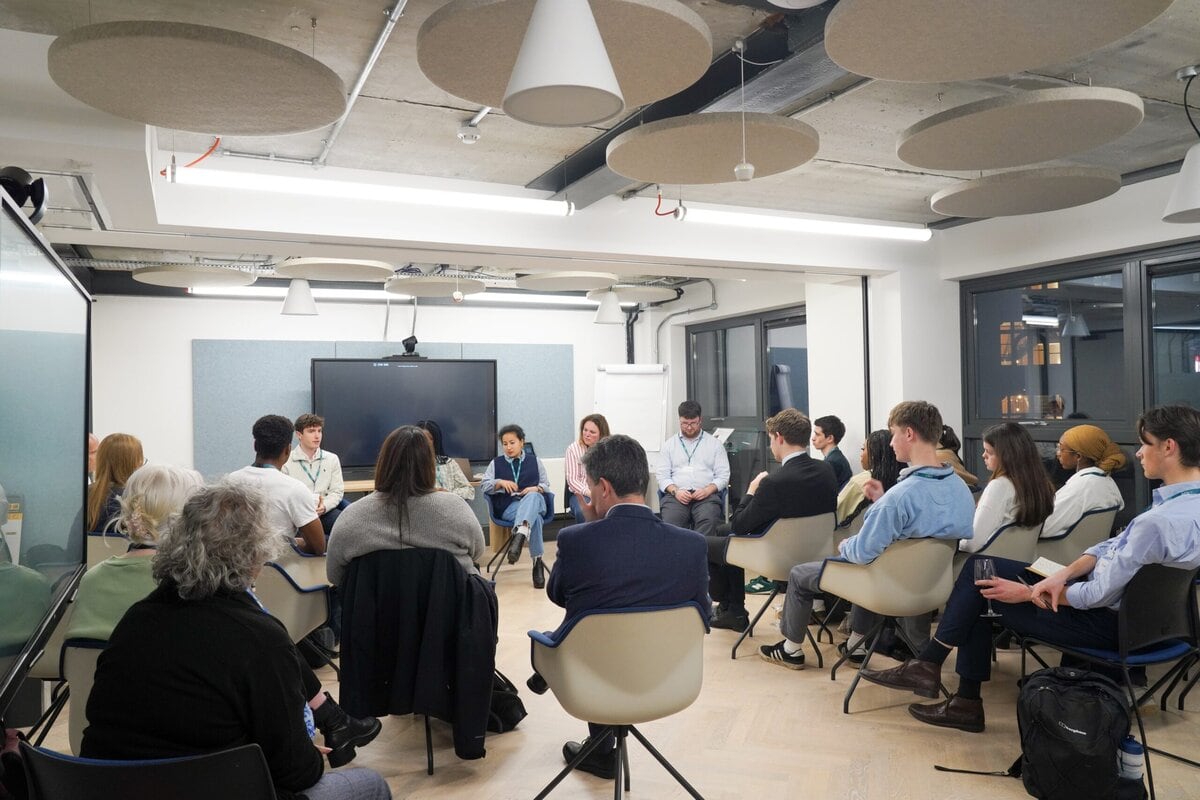
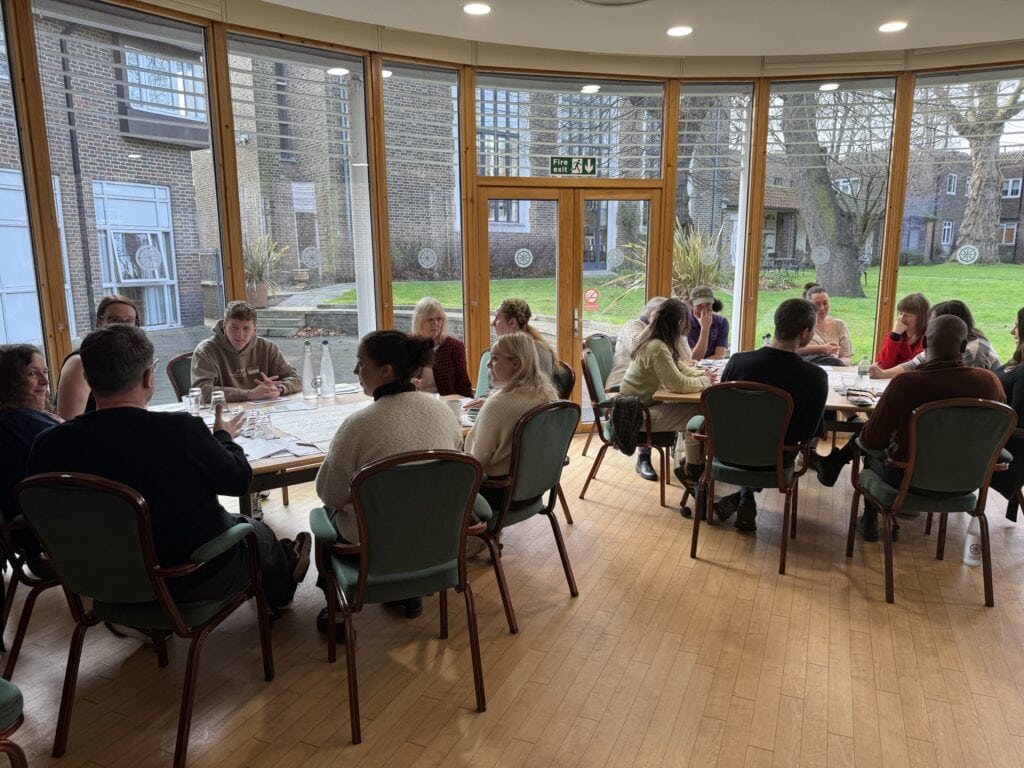
The decisions were made in Sunderland by local people. The panel was deliberately balanced: four local stakeholder partners and four young people.
The young panel members were referred to us via local organisations who are part of the growing Sunderland Rank Network. Together, they brought a mix of experiences, confidence levels and backgrounds. Some were trainee youth workers, others were completely new to the social sector.
Daniela Kasomba, an economics and finance student, explained why she got involved:
“I was interested because as a young person, I can see what’s needed. When you’ve experienced something, it’s easier to say what can make it better.”
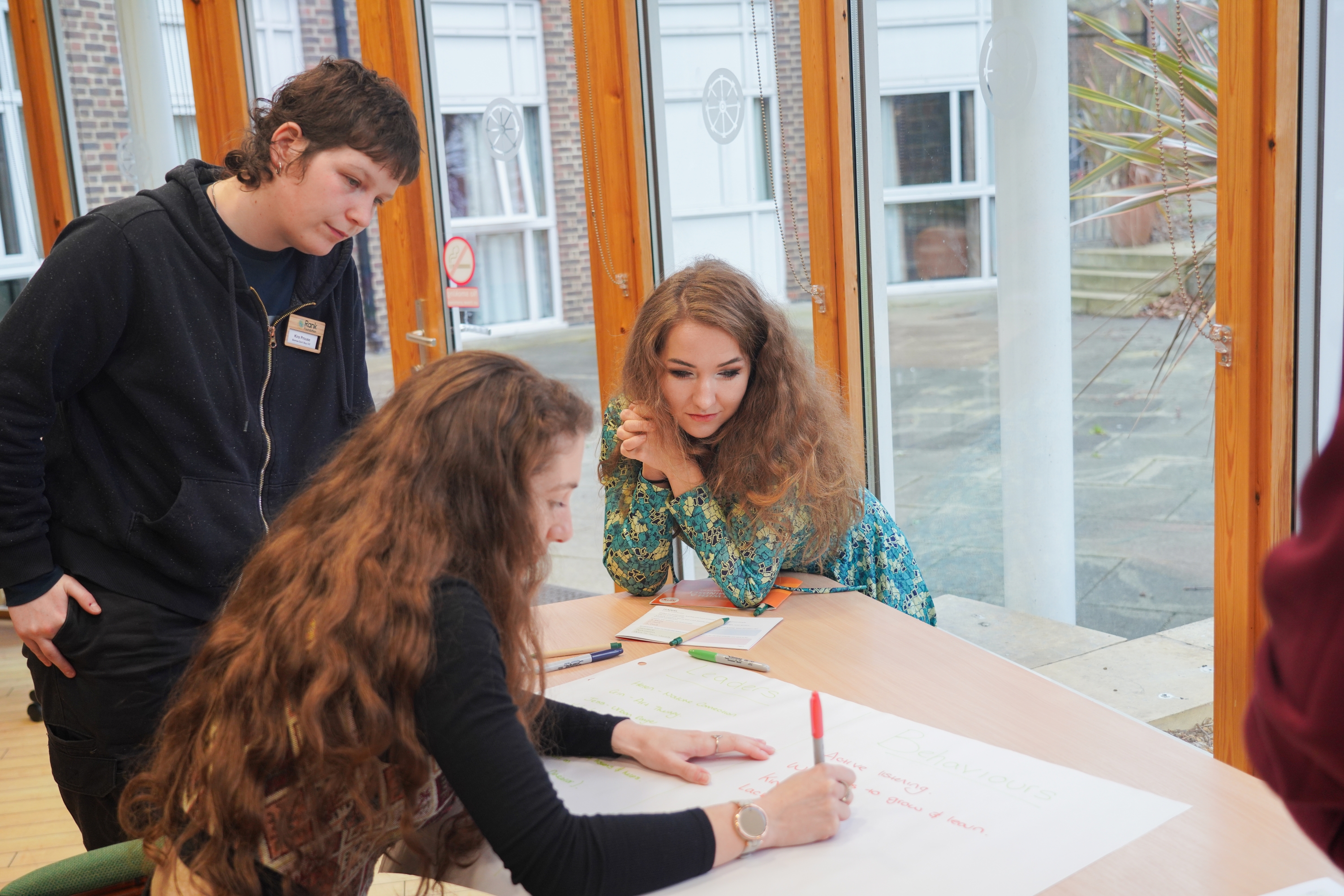
Before any decisions were made, the young people took part in a full day of induction and training covering, what participatory grant making is and why it matters, transparency and shared responsibility, due diligence, value for money, confidentiality and conflicts of interest. A mock application exercise allowed them to practise scoring against the criteria before reviewing real bids.
After Rank’s Grants Manager filtered the applications to ensure they met the minimum criteria we were left with 30 high quality applications, requesting a total of £1.8 million. The panel had £500,000 to allocate.
Applications were anonymised, before pairs of decision makers scored each one. This was not tokenistic. The decision-making framework was rigorous, covering assessment 10 criteria including organisational strength and project quality.
How Decisions Were Made
On decision day, the full panel came together to debate as a group which applications should receive support, starting with the 10 highest scoring applications. Where scores diverged, they explored why and their in-depth discussions led to collective understanding and a shared decision.
Importantly, the process created space for everyone to contribute.
“Ensuring we spent quality time inducting, training and supporting the young people to voice their opinions and fully influence the decision-making was an active ingredient and hugely important in creating a truly locally led collaboration. Watching them speak up confidently and listening to them express their views at the full Panel decision-making meeting was incredible. They spoke up confidently and were quite tough in their assessment of what would work in connecting young people to emerging industries. The full Panel induction process also enabled the whole group to work collectively, with all members showing respect for one another’s perspectives.” – Jen McKevitt, Associate for Sunderland and the North East.
“We spent time in icebreakers and building relationships. It sounds small, but laughter about the Panel’s favourite ice cream flavours helped the group open up. By the time funding decisions were being debated the young people weren’t tentative observers, they were confident and necessary participants.” – Liz Wylie, Place Based Programme Officer.
“Being part of the grant decision-making panel was very insightful for me as a youth work apprentice. I learnt a lot from the process, such as what goes into putting in a funding bid and how a fair decision is reached. It was a pleasure to have the opportunity, and I look forward to participating again in the future.” – Mariam Shaikh, apprentice youth worker.
“It went way deeper than I thought it would in terms of the whole funding process. It was an eye opener, and it was nice to meet other people – it’s important to get different perspectives. We all managed to come together and come to an agreement, despite how different we were.” – Daniela Kosomba, student.
Impact Beyond the Grants
Eight organisations were funded to deliver projects connecting young people to Sunderland’s emerging industries but the impact ripples beyond the grants awarded.
For the young panel members, their involvement in the process built confidence, offered insight into how funding works and how difficult choices are made. Several have expressed interest in being involved in future participatory panels.
The adults on the panel, some of whom represented other funders, learnt something important too: have faith in young people to grasp complexity and make tough decisions.
“Participatory grant making requires preparation and planning. In return it produces decisions that are locally informed, transparently made and owned by those who can benefit. When young people from Hendon or other parts of Sunderland are trusted to help decide how half a million pounds is invested in their city, power shifts and opportunity becomes real.” – Jen McKevitt, Associate for Sunderland and the North East.
Share
Tags
Place-based News Sunderland