News > Ripples Story: “Increasing social and economic mobility in the UK”
Ripples Story: “Increasing social and economic mobility in the UK”
23 Nov 2026 / Nhung Phung
In this article, Laura Charlton, Regional Charity Manager at Cash for Kids, reflects on her 2023 Rank Memorial Award trip to the USA, where she explored how holistic, personalised support can help people overcome barriers to social and economic mobility, and how she’s brought these learnings back to the UK.
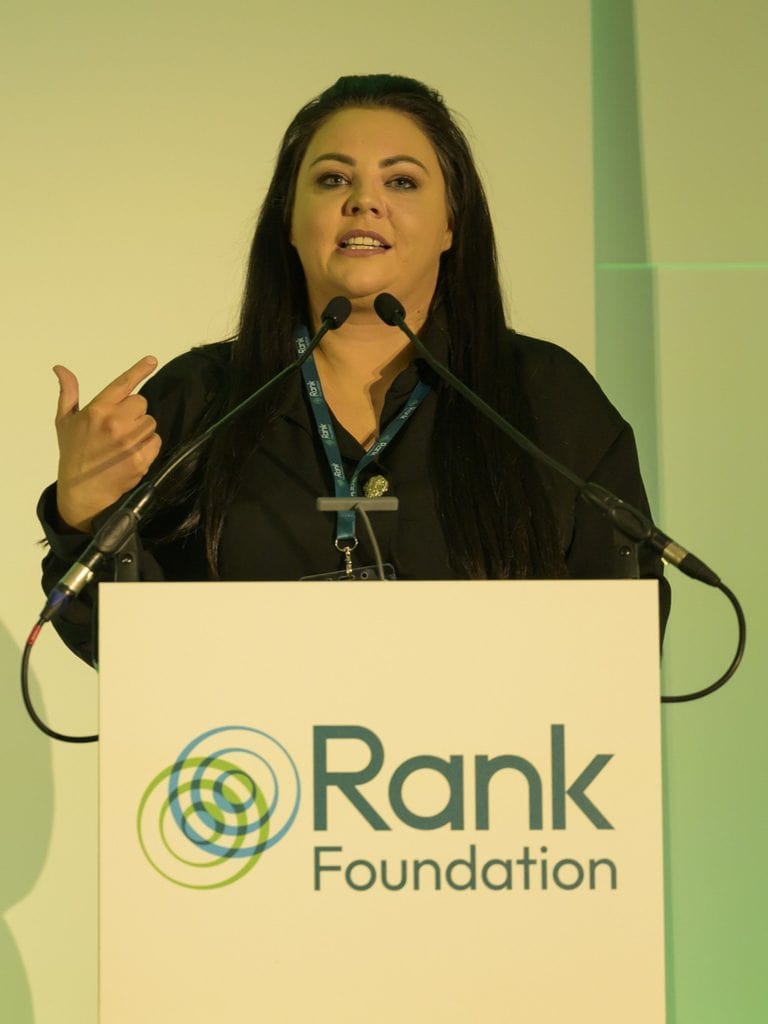
My role as Regional Charity Manager at Cash for Kids in the Northwest has given me first-hand insight into the realities faced by children and families living in poverty. I have supported thousands of families experiencing financial hardship and crisis, at times when they had nowhere else to turn.
In 2023, the Rank Memorial Award provided me with an invaluable opportunity to travel to the USA and explore different approaches to improving social and economic mobility. I wanted to understand how organisations were supporting people, what approaches were having a meaningful impact, and, importantly, what learning could be applied within the UK.
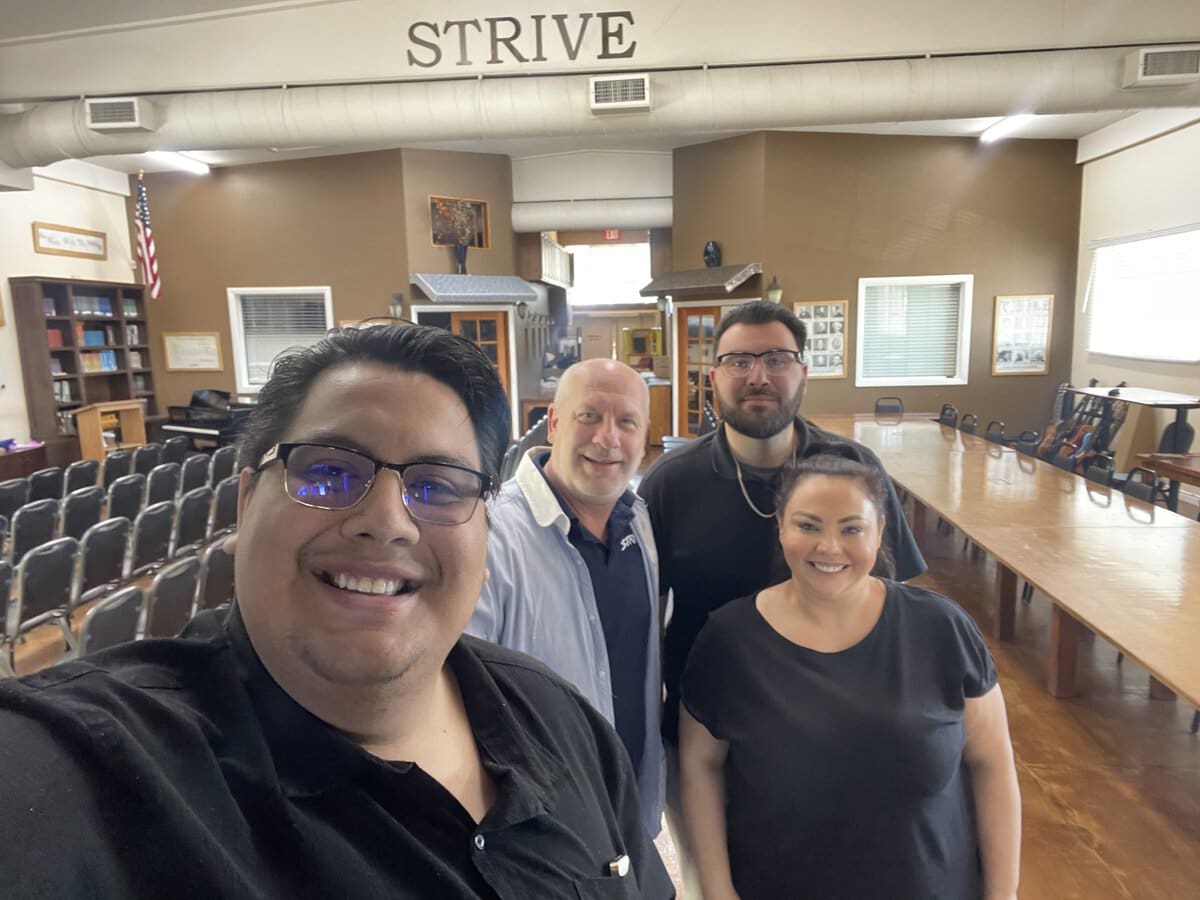
My first visit was to Project STRIVE, an anti-poverty programme supporting children and young people through education, aspiration, positive behaviour and access to an evening meal.
What struck me most was the organisation’s holistic approach. Academic achievement was not considered in isolation; STRIVE recognised the importance of relationships, behaviour, nutrition, confidence and providing young people with a safe and supportive environment. provides families with access to food, including fresh produce donated by local farmers.
Their philosophy of “a healthy behaviour, a willing attitude then academics” places responsibility and personal development at the heart of learning. I was particularly interested in their use of “STRIVE dollars”, which reward positive behaviour and allow children to save towards items they need. Many chose things such as school bags rather than toys, demonstrating how simple incentives can introduce children to financial responsibility while reinforcing positive choices.
STRIVE also supports parents through adult education, counselling, mental health provision and advice – creating a more joined-up approach where support for children is strengthened by supporting the wider family.
I also visited the Jewish Family Service and Resource Centre, where I saw another strong example of support centred around dignity and self-determination. Its food pantry The food provision was part of a wider model. Alongside immediate assistance, individuals could access mentoring, life-skills support, employment advice and other services designed to help them move towards greater independence. I worked alongside an employee who was a former service user. He was able to offer people empathy, understanding and a space to talk.
When I visited Project Hope, they reinforced the importance of personalised support, rather than simply helping people find any available job. The organisation considers their circumstances, strengths, interests and long-term ambitions. I met a young mother who wanted to build a career while balancing her caring responsibilities. She was interested in working with children and, with personalised support from Project Hope, planned a pathway involving training and voluntary experience, helping her develop the confidence and skills required for sustainable employment that worked for her and her family.
This reinforced for me that there is no universal route out of poverty. Meaningful employment support needs to recognise the individual rather than focusing solely on the immediate outcome of getting someone into work.
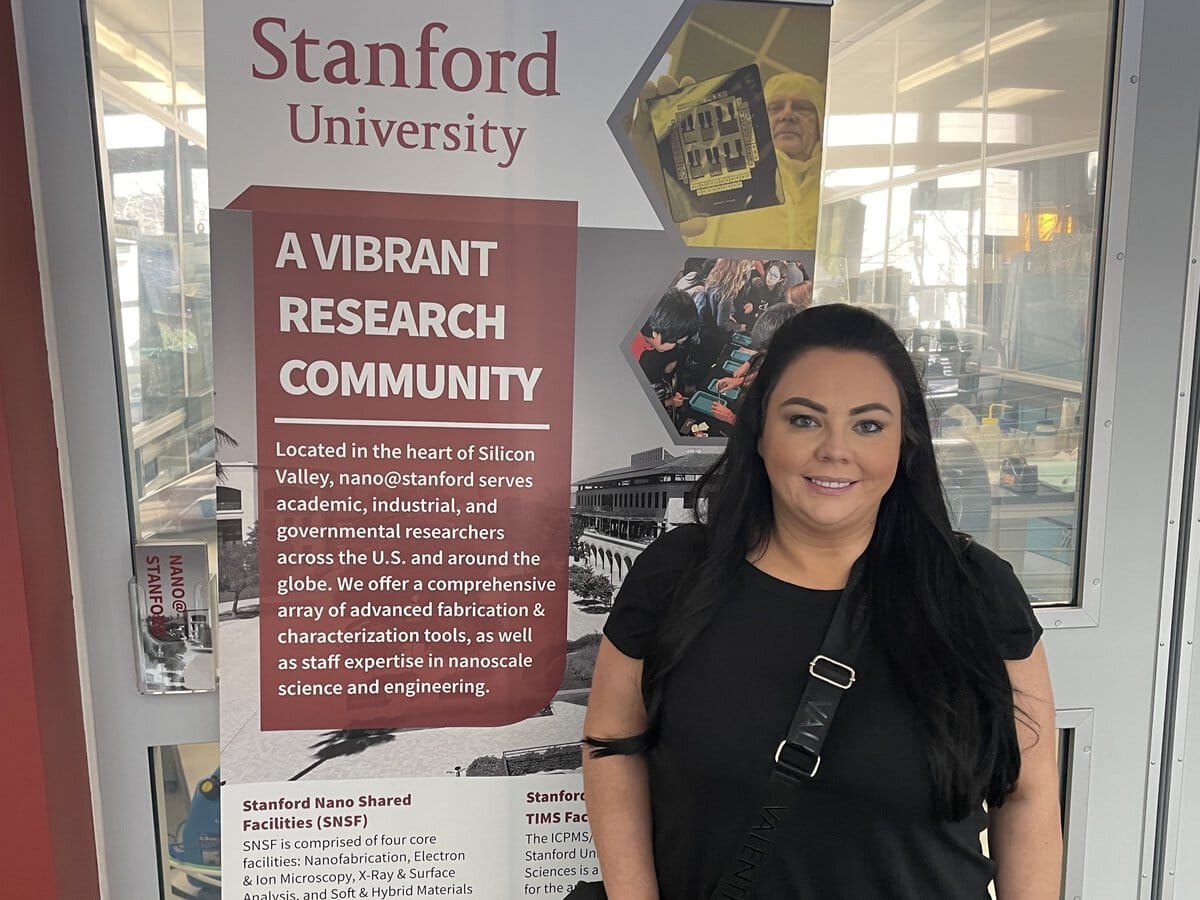
My final visit to Stanford University provided an opportunity to consider these practical experiences through an academic lens. Speaking with academics researching poverty and inequality challenged me to think beyond individual programmes and consider the systems and circumstances that influence social mobility. We discussed the importance of understanding poverty through the experiences of the people directly affected by it. Data and research can identify patterns and inequalities, but lived experience provides the context needed to understand why those inequalities exist and what effective support might look like.
The conversations at Stanford further reinforced the limitations of one-size-fits-all solutions. Social mobility is influenced by education, family circumstances, employment, access to services, financial security and opportunity. Effective interventions therefore need to recognise the complexity of people’s lives and connect different forms of support.
The impact of the Memorial Award
Across all my visits, the strongest common theme was that emergency assistance alone cannot create sustainable change. People also need relationships, skills, confidence and opportunities.
I returned to the UK determined to apply this learning within my role at Cash for Kids. With my team, we have expanded opportunities for volunteering beyond our main campaigns, delivered sessions to community groups to explain our work, and provided guidance about routes into the charity sector. We have also developed a more joined-up approach with other services, helping vulnerable individuals access organisations that can support their wider personal development. We have also introduced an annual Community Challenge which is delivered nationallly, providing financial support to those who need it most.
The Rank Memorial Award reinforced my belief that improving social and economic mobility requires us to see the whole person, not simply the immediate barrier they are experiencing and to create pathways that enable people to build a future beyond their current circumstances.
Read the full latest issue of Rank Ripples magazine
Share
Tags
News RankNet