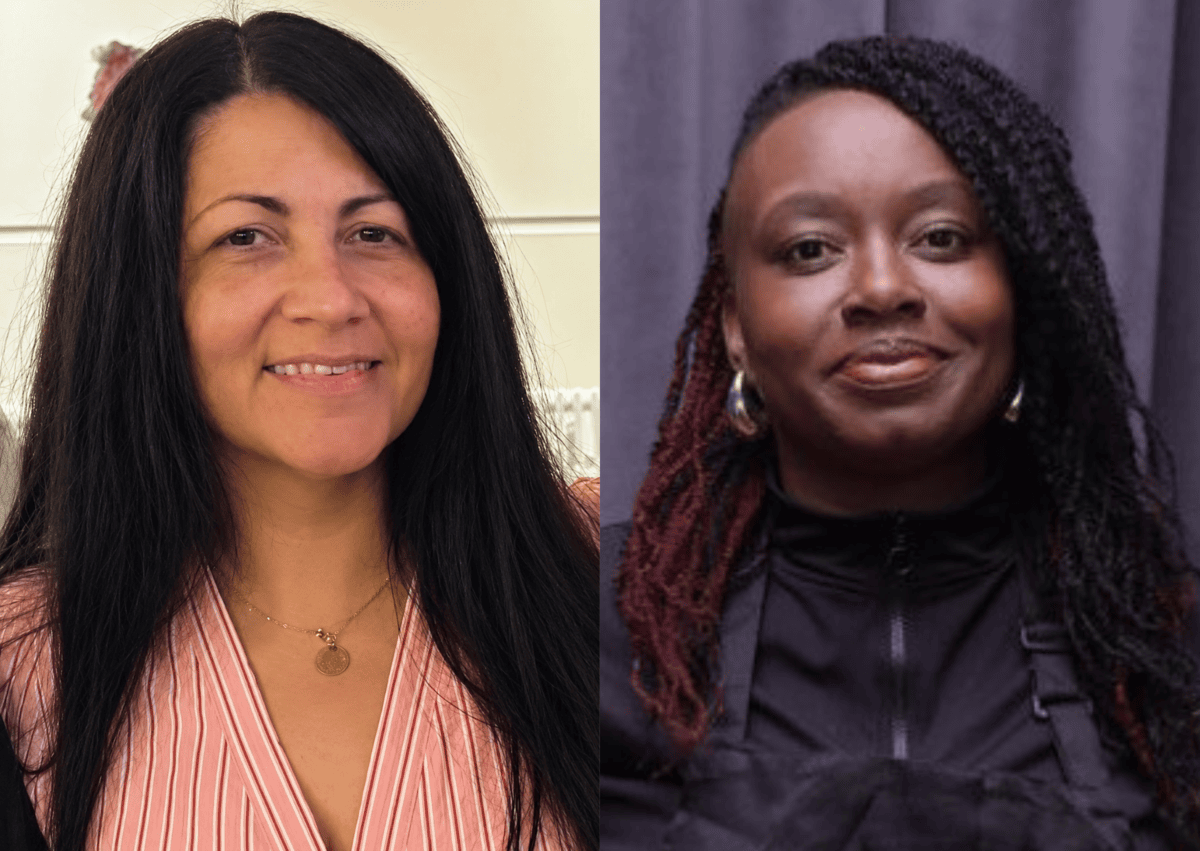
Inspired by the same community food project that sparked a new direction for CEO Neil Young’s work, Melanie Hall, Deputy CEO of St. Paul’s Youth Forum, reflects on her 2024 Rank Memorial Award journey to The Stop in Toronto, exploring how community food projects can tackle food insecurity.
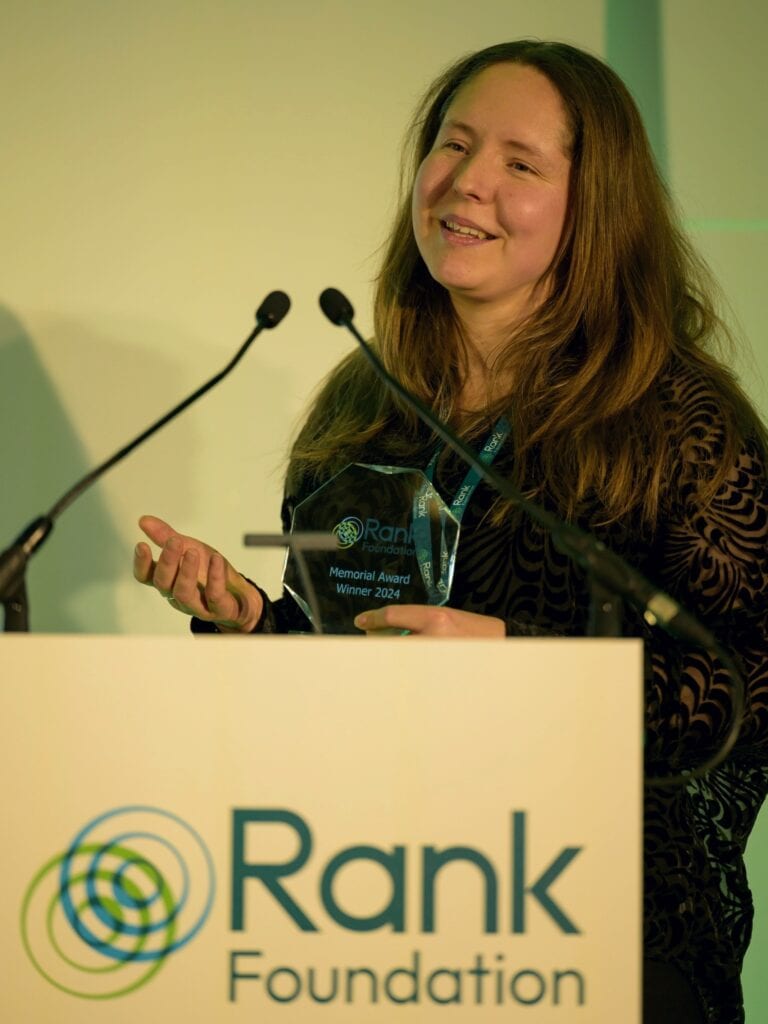
The Stop existed in my mind long before I reached the building in Toronto. My manager Neil told me about it in 2016, shortly after I started at St. Paul’s Youth Forum (SPYF). “This is what we’re aspiring to here – using food as a tool to bring people together and change lives.” Neil lent me Nick Saul and Andrea Curtis’ book about The Stop which I read in a weekend and returned to work on Monday fizzing with possibility.
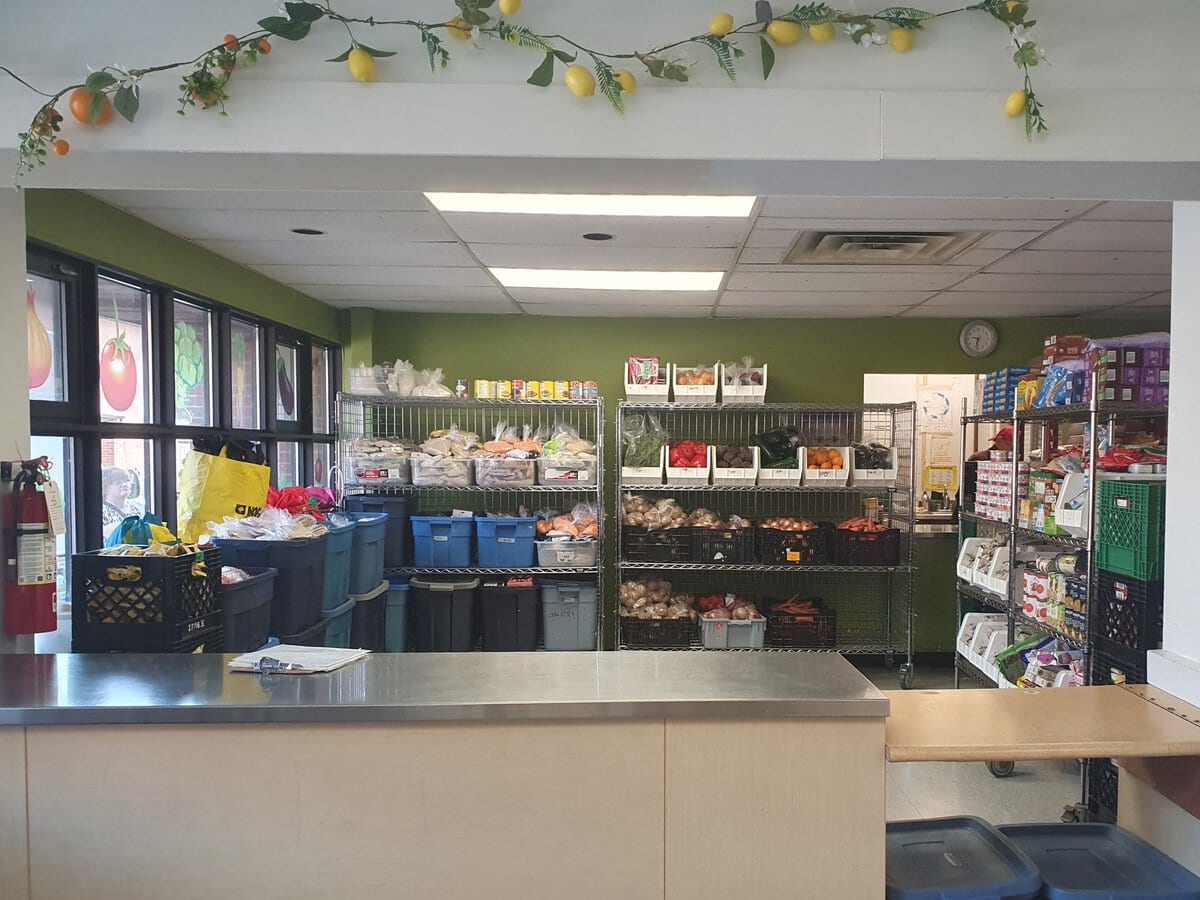
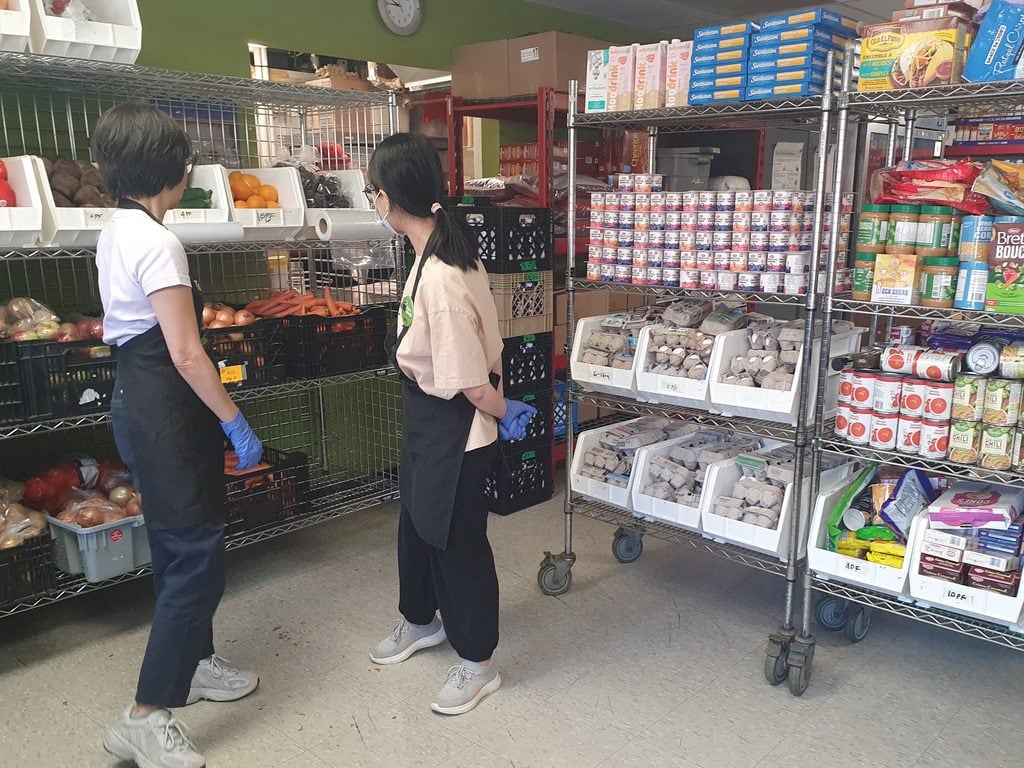
In 2024 I received the Memorial Award to research holistic responses to food insecurity, and in the summer of 2025, I travelled to Canada and the USA, visiting 12 projects in Toronto, Detroit, Seattle and San Francisco over six weeks. In this article I will focus on The Stop, a community food centre in Toronto which works with over 28,000 people a year. I spent a week there, talking with staff, interviewing project coordinators, and volunteering with their foodbank, drop-in meals and community gardens.
I want to highlight three things I learnt from The Stop:
- A clear vision matters
- The importance of supporting staff and volunteers
- Culturally appropriate high-quality food needs to be at the heart of a food security project.
Firstly, getting to see an inspiration for our own project really emphasised to me the power of having a collective goal: transmitted to me verbally, through a book, and then through multiple staff at The Stop. Everyone there was clear about why they were doing what they were doing, and how it fed into the greater whole. Volunteers spoke of a thorough induction process on the entirety of The Stop’s offerings. A coherent vision allowed leadership to be dispersed: everyone at every level can be a leader in how they contribute to the organisation’s mission and feel ownership over their contributions.
Secondly, the staff, volunteers and participants I chatted with all spoke highly of the support they received from The Stop. It made me question if we could do more at SPYF. There was clear acknowledgement that for The Stop to achieve its aims, everyone involved had to feel cared for and that volunteers are key to the impact of The Stop. Helena, their senior volunteer coordinator, told me that in 2025 they were on course to have 180 active volunteers committing around 22,300 volunteer hours. For those in paid positions at all levels, ‘people-care’ was key to ensuring the organisation’s ability to sustain its impact. Volunteers are treated well: recognised for their hard work, reimbursed for travel costs, and for each shift they receive a stamp equivalent to CA$2.50. After four shifts the completed card can be used at The Stop’s Farmers Market, or alternatively it can be donated to The Stop’s perinatal support programme.
Thirdly, The Stop provides incredibly high-quality food suitable for all its members. Having access to nutritious wholesome food gave members a sense of dignity by empowering them to properly nourish themselves and their families. This was only possible because The Stop was incredibly well-resourced, and dedicated substantial staff time to fundraising.
The impact of the Memorial Award
Since returning from my Memorial Award trip I have been inspired with so many ideas for change and have had the privilege of turning some of them into tangible benefits for our community here in Glasgow.
Our community pantry has become a calm space of support for all. We’ve improved our queuing system, reduced waiting times and now source a much wider range of food options, which cater to all our community members. The pantry is now predominantly run by our brilliant volunteers. It is their project, for their community, and they make the decisions about what will work best. They receive vouchers after each shift which they can redeem in our community centre cafe to recognise their time and dedication.
We have updated our website to make it easier for people to support us financially and personally thank everyone who donates. This has seen our direct donations increase by more than 500%. We are due to review SPYF’s vision, mission and aims in 2027 and refining these to make them as easily communicable as possible will be crucial.
I will forever be grateful to The Rank Foundation for this opportunity to learn from world-leading community food projects. I know it will catalyse positive change in the north east of Glasgow for many years to come.
Read the full latest issue of Rank Ripples magazine
Share
Tags
News RankNet