News > Learning from participatory grant-making in Plymouth
Learning from participatory grant-making in Plymouth
10 Apr 2026 / Nhung Phung
A blog by Kate Smith, CEO of Memory Matters CIC, and Caroline Broadhurst, CEO of The Rank Foundation.
When the Rank Foundation committed £1m to tackle loneliness and isolation in Plymouth, they decided to test a participatory grant-making (PGM) approach – putting decision-making power into the hands of people with lived experience of the issues we were funding.

[Caroline] The Rank Foundation has contacts, colleagues and partners rooted in every place we invest. We have been supporting Plymouth’s vibrant social enterprise sector since 2018 so along with our local Place-based Associate, Phil Davies, we have built strong relationships with many local leaders across the private, public and third sectors.
When our Board of Trustees restated its commitment to Plymouth by approving a further phase of its place-based investment until mid-2025 we were already match-funding with Plymouth’s integrated health and social care provider, Livewell Southwest CIC (also a social enterprise). We chose to take it a step further and appoint a local Advisory Panel to ensure Plymouth’s priorities were addressed. We commissioned Kate Smith from Memory Matters – an active Rank Leaders Action Group (RLAG) member – to oversee the Panel because of her local knowledge and connections.
Building The Foundations
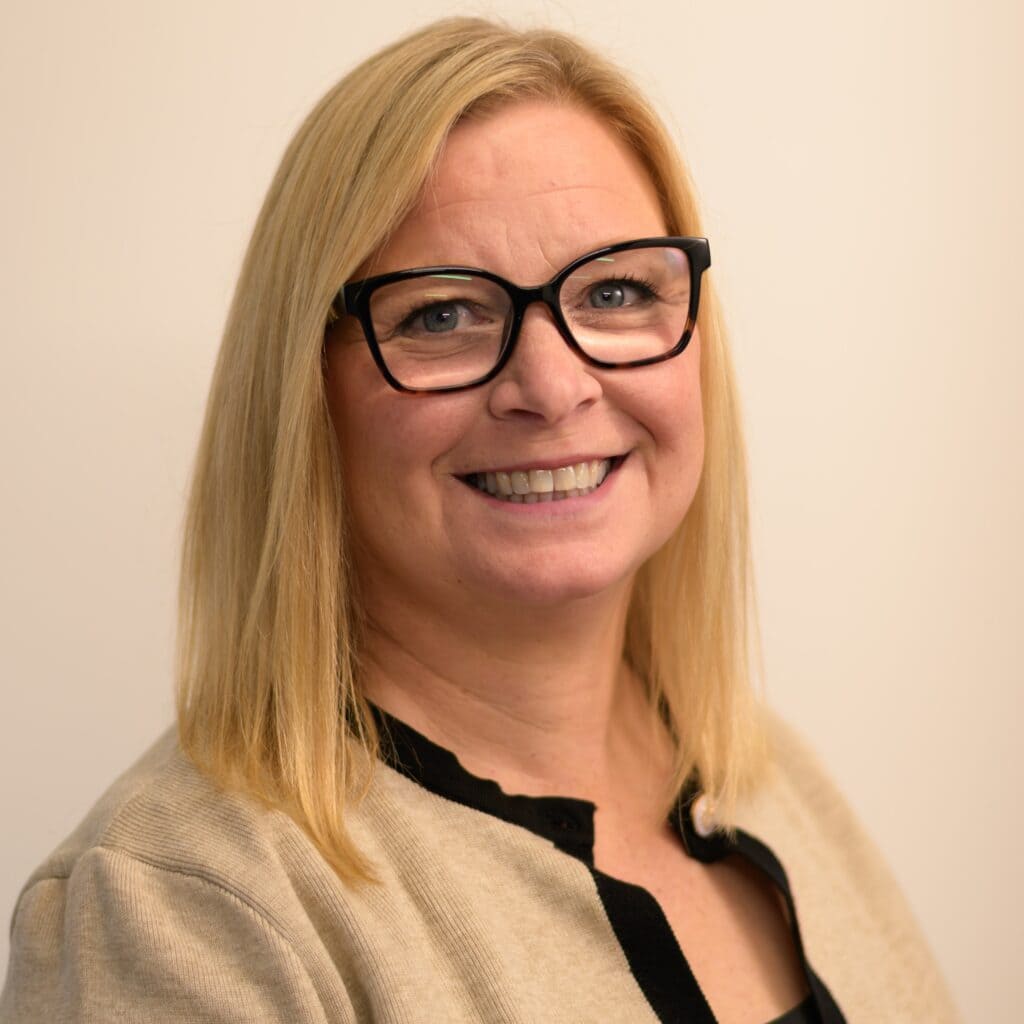
[Kate] When the Rank team approached me about running a participatory grants panel, I had no idea what PGM was. I looked it up and thought – this is brilliant. How amazing that local people make decisions based on what they know about their community. I couldn’t say no.
As this was new territory, preparation was critical. We drew on international practice through an online PGM community and spoke with the National Lottery Community Fund about their experience. We did desk research and engaged city-wide stakeholders – from the Council and NHS Trust to GPs and youth services – to ensure decisions aligned with local priorities. We created a prospectus that distilled city-wide evidence on loneliness into clear, simple themes that social purpose organisations could respond to.
Recruiting and Supporting a Decision-Making Panel
We recruited a panel of six local people to reflect the diversity of Plymouth: people from refugee and minoritised communities, young women with experience of domestic violence, people with learning difficulties, older people, and men at transition points. On the advice of the online PGM community, we included people with direct lived experience of loneliness and isolation, as well as people with professional experience. This mix of personal and professional perspectives turned out to be a strength:
“If you’ve got one person with lived experience, you just get one view. If you’ve got someone who works alongside 50 people with lived experience, you get 50 perspectives. The blend really matters.”
Panel members were trained and supported through sessions on imposter syndrome, power dynamics, and what it means to be a change maker. Everyone was paid the living wage or given vouchers, and accessibility needs were met – from coloured paper for panellists with dyslexia to one-to-one reading support.
How Decisions Were Made
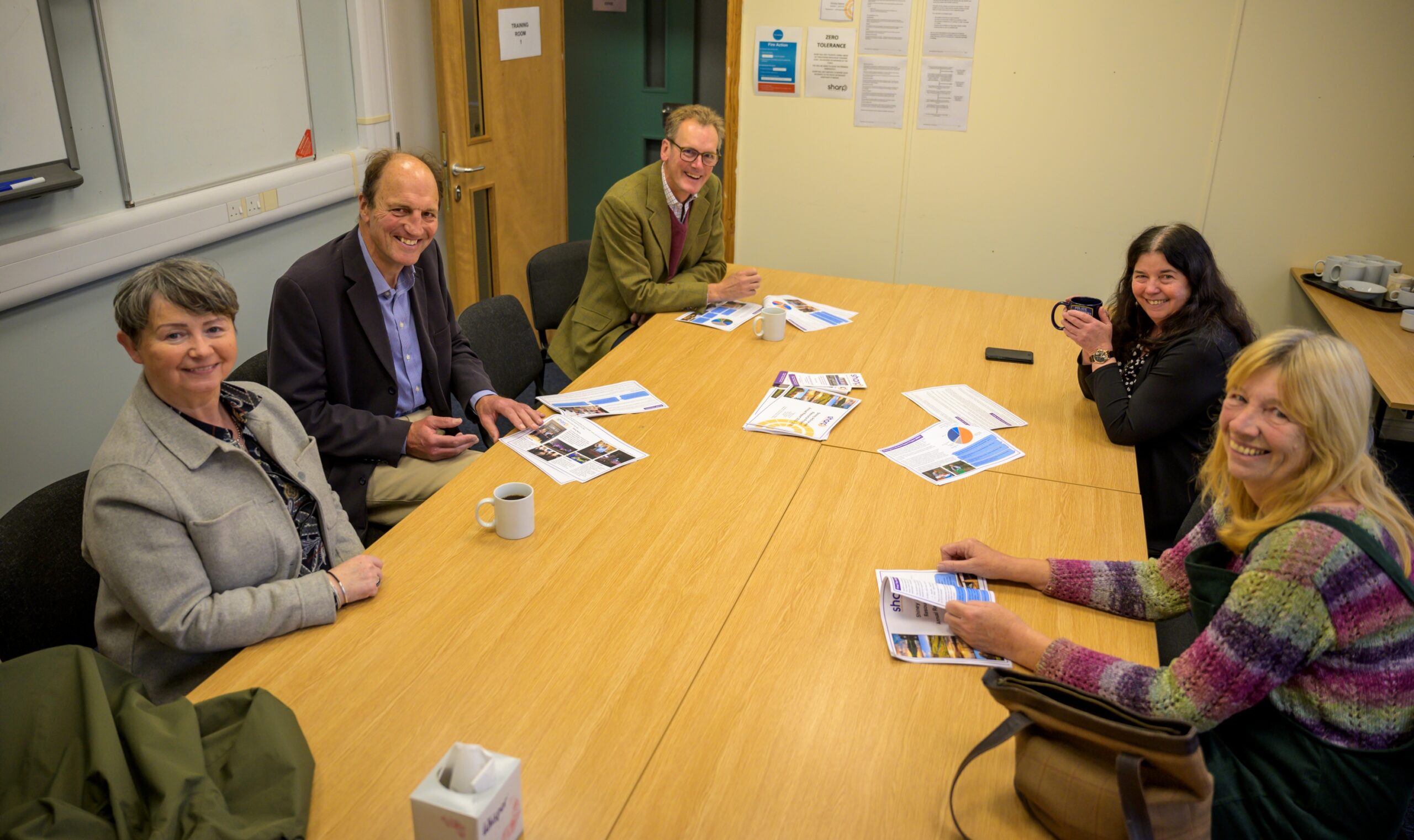
Applicants to the fund were asked to use plain language to make the process accessible to first-time panel members. Applications were anonymised before they were scored individually, then discussed collectively. Each was scored by two panellists, with “amber” or “red” ratings reviewed by a third panellist. The group then spent a full day together, balancing individual reflection with collective discussion, to agree a final list of grants. We made sure they had a welcoming and comfortable space, with a desk each and nice refreshments on hand.
Their discussions were respectful and deeply grounded in each panellist’s reality. While the conversations were congenial, I was still struck by the alignment in the panel’s independent scores. For example, a proposal to support women to start businesses might not have seemed relevant to our fund’s loneliness and isolation theme. But some woman on the panel spoke of their own isolation as young mothers, and how purposeful activity would have changed their lives. Their voices tipped the balance, and the project has since thrived.

Impact Beyond the Grants
Panel members described feeling trusted and valued:
“I loved the company, the discussions, and that something so important was being done. The trust that Rank was putting in Plymouth to make decisions… I can’t wait to see the impact across the city.”
For some, the experience was significant. One panellist has since gone on to become a trustee of a major city charity, building on the confidence she gained through the process.
For Plymouth, £1m of funding was released into projects chosen by those closest to the issues – projects that may well have been overlooked by a traditional grants panel.
Learning for Funders
[Caroline] The Plymouth experience taught us that when it comes to participatory grant making:
- Preparation matters. Time invested in research, training, and creating accessible materials built confidence and credibility.
- Personal and professional can mix. But when combining lived and professional experience it’s important to value all your panellists’ time and expertise equally.
- Local leadership is essential. Trusted local people are the bridge between funders and communities.
What our Plymouth PGM pilot showed me was that when local people are trusted and equipped to make decisions, the impact runs deeper than the grants themselves. Yes, we funded projects tackling isolation as we set out to do, but we have also seen local leaders develop and relationships strengthen.
While PGM may not be quick or simple, it creates impact beyond the value of your fund. And that’s priceless.
For Livewell Southwest CIC, the benefits of this participatory approach were clear. As a social enterprise delivering integrated health and social care, the projects chosen by the panel aligned closely with their mission to support local initiatives that improve health and wellbeing. By funding community-led projects that reduced loneliness and isolation, Livewell saw tangible positive effects on people’s mental and physical health. The metrics collected from these projects demonstrated real impact, enabling Livewell to reinvest in the following year with confidence, knowing that the funding was delivering measurable returns for the community.
In this way, participatory grant making not only empowered local people and strengthened relationships across Plymouth, but also helped organisations like Livewell achieve their broader goals of improving population health and wellbeing.
Read our blog on participatory grant making in Sunderland, part of our Learning From Participatory Grant Making series.
Share
Tags
Place-based News Plymouth