
News > Ripples Story: “The power of community”
Ripples Story: “The power of community”
24 Nov 2026 / Nhung Phung
What began as an exploration of food insecurity took Lily Fairbairn from rural Nepal to Vatican City to uncover powerful lessons in trust, community leadership and creating lasting change from the ground up.

When I applied for the Memorial Award, I had food insecurity and how local leaders can tackle deep rooted issues in their communities at the front of my mind. Throughout 2025, I found myself sitting in community meetings in rural Nepal, learning how to cook high nutrition meals with women’s groups, interviewing climate activists on the edge of the Himalayas, visiting organisations at local, national and international level, and standing in soup kitchens in Vatican City.
None of those experiences appeared on my original proposal. How could they? When I first received the Award, I knew I wanted to explore how leaders tackle food insecurity at both a global and local level. Food insecurity affects millions of people across the world, including many communities in the UK. I wanted to understand what leadership means in this space, what works, why it works, and how we might apply those lessons closer to home.
Food was the community builder and became the backdrop to every connection I made.
The organisations and individuals who inspired me were the people finding ways to build confidence, trust and agency within their communities.
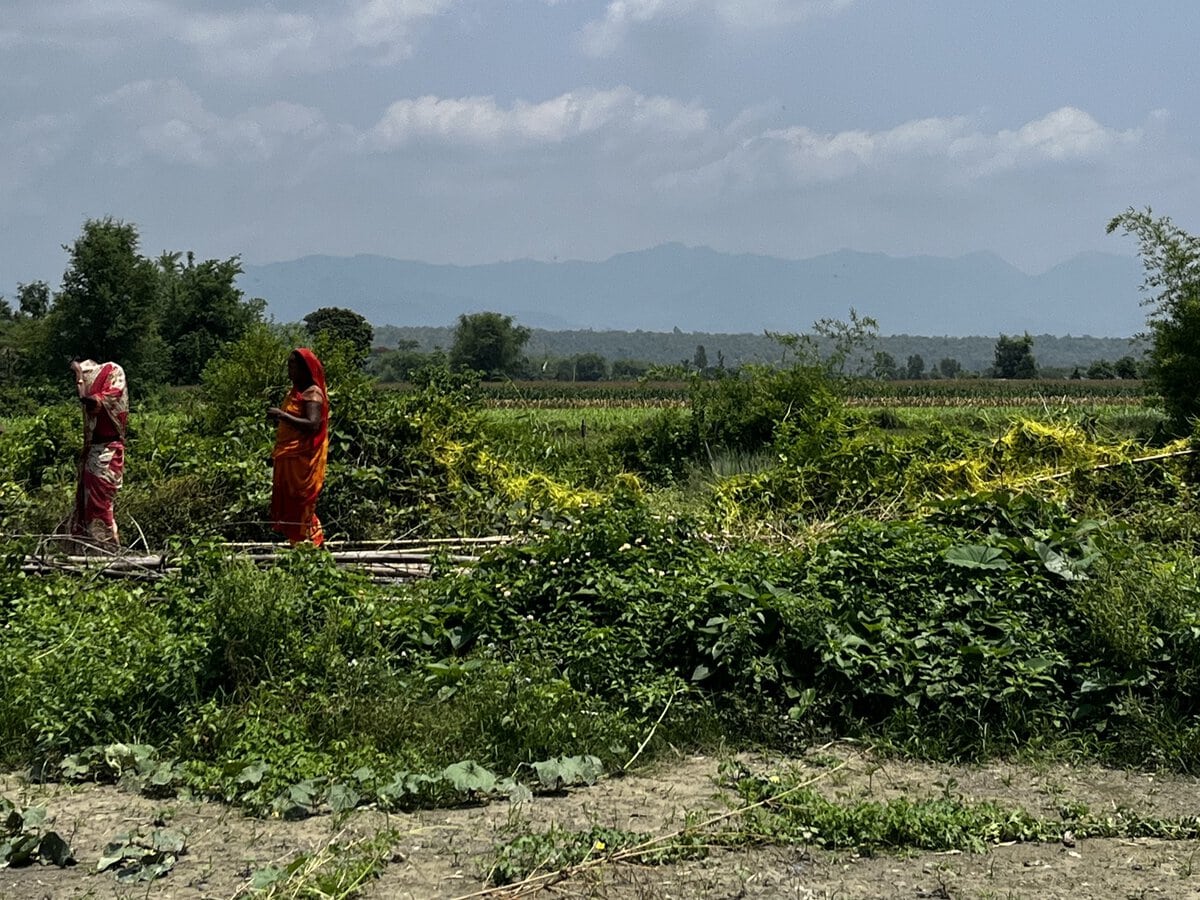
In Nepal, I spent time with community groups that have been working alongside rural villages for decades. Rather than delivering solutions to communities, they focused on creating the conditions for communities to solve problems themselves. Over and over again, I heard stories of people who had been excluded from decision making opportunities find confidence, organise collectively and create change within their own neighbourhoods. I was sat cross legged on tarpaulin in rural Nepali villages listening to people’s stories, seeing first-hand what investment really means when it doesn’t always come with finance.
I met women’s groups that had reinvested collective savings into education, community facilities and local enterprises. I learnt about seed banks established to strengthen food resilience. I saw how communities with extremely limited resources had built systems of support that stretched across generations.
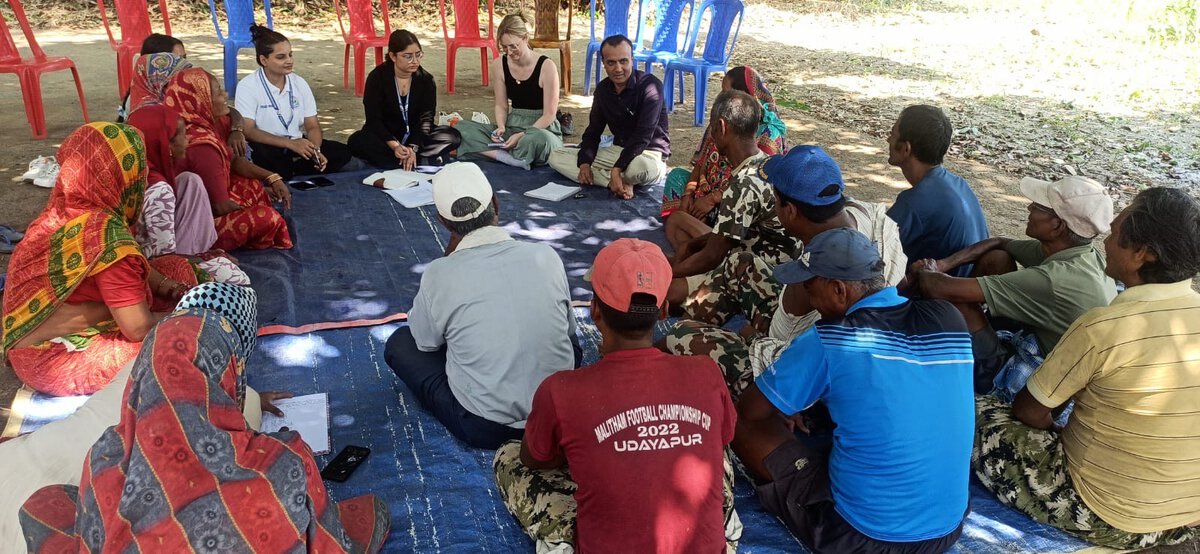
The whole process has changed how I approach my own work, how in policymaking we can use participatory methods to build services around community’s needs. The most effective of the organisations I worked with didn’t see their communities as beneficiaries but invested time and education and confidence so they could see themselves as leaders, and drivers of their own change.
Working in policy and public services, we often talk about engagement, consultation and participation. Yet during my travels I found myself reflecting on how easy it can be to design services around communities rather than with them. Some of the strongest examples I saw started with a very simple principle: people are experts in their own lives.
I also found myself reflecting on the challenges many organisations face internationally. Conversations with charities and NGOs highlighted how difficult it has become to sustain community work when funding models are increasingly uncertain. Yet despite these challenges, the most successful initiatives continued to focus on long-term relationship building rather than short-term interventions.
And trust came up in almost every conversation I had. Every local institution, organisation, and community group showed me that putting yourself forward will create meaningful change. Without trust, interventions wouldn’t succeed.
One approach from Nepal has stayed with me deeply and can be relevant to many issues. It was affectionately called the ‘Momo Model’, inspired by Nepal’s famous dumplings. Simply put, sustainable, long-term change happens when grassroots energy and institutional support work together. The perfect momo has the right balance of heat and steam, the lid ensuring the dumpling is at the perfect temperature. Too much emphasis on systems, and you lose connection with people. Too much emphasis on grassroots energy without wider support, and good ideas struggle to scale. It’s all about balance.
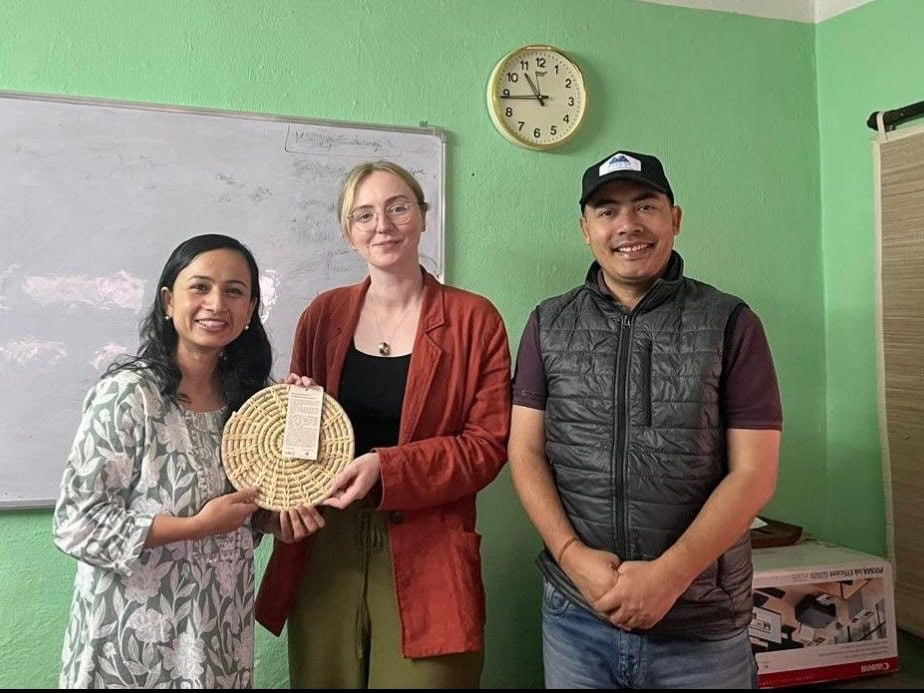
The impact of the Memorial Award
It is a lesson that feels increasingly relevant to the work I do in Greater Manchester. Whether we are discussing digital inclusion, public service reform, or community participation, lasting change depends on balancing top-down ambition with bottom-up ownership.
The Rank Memorial Award gave me an opportunity to travel, but more importantly it gave me an opportunity to listen.
Over the course of the Memorial Award I met activists, community organisers, volunteers, policymakers and local residents. Their circumstances were often very different, but their values and challenges can be seen across the UK. They cared about dignity, belonging, opportunity and creating a better future for the people around them.
What began as a project exploring food insecurity became a deeper lesson about community power, participation and trust. It challenged assumptions, strengthened my belief in community-led change and reminded me that some of the most important voices are often the least heard.
For that, and for every conversation that shaped the journey, I will always be grateful to the Rank Foundation.
Read the full latest issue of Rank Ripples magazine
Rhannu
Tagiau
Newyddion RankNet
Newyddion Diweddar

Adapting Time to Shine to Network Needs
Rank Memorial Award Winners 2026
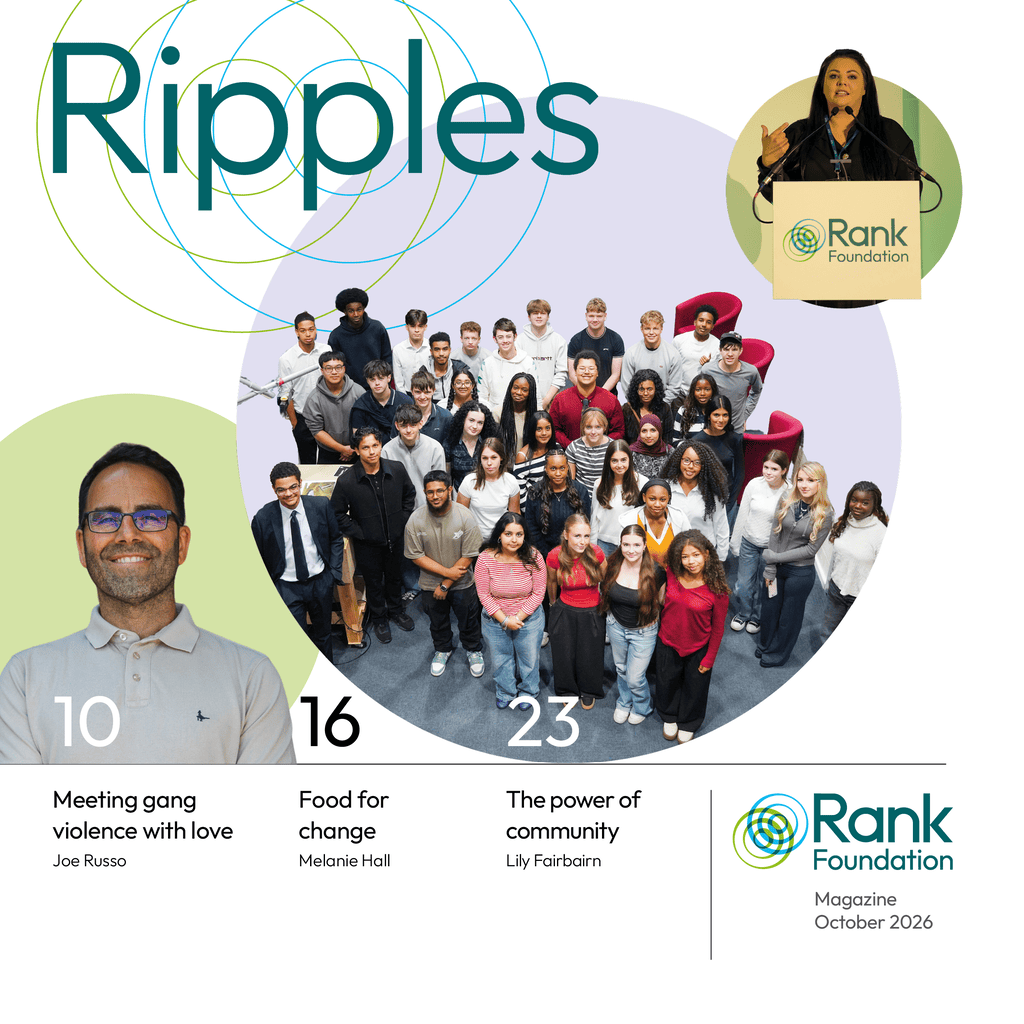
Rank Ripples – Autumn 2026 Edition