
News > Ripples Story: “Mindfulness in practice”
Ripples Story: “Mindfulness in practice”
12 Nov 2026 / Nhung Phung
In this article, Viccie Hamlet, Senior Training & Development Coordinator at Brook Young People, reflects on her Memorial Award journey from a Buddhist monastery in Nepal to a busy New York coffee shop, and how these experiences transformed her understanding of mindfulness and inspired new ways to support wellbeing among young people, colleagues and communities.
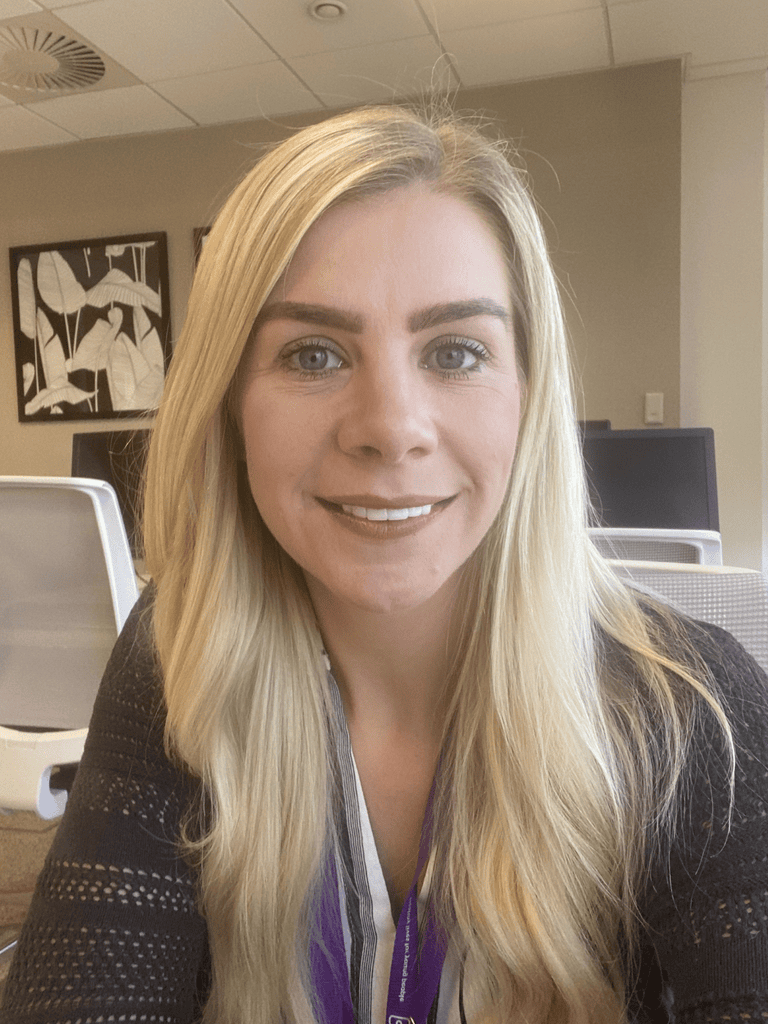
I first came across mindfulness at a seminar which suggested that stress didn’t have to be the price we paid for being successful in our careers while maintaining a healthy work-life balance. As someone who was progressing within my career, and feeling that stress, I was intrigued. Through the seminar I learnt techniques which, with practice, helped me feel less overwhelmed, calmer, more present and better able to juggle the multiple roles I held.
I just wished I had known about this sooner! It would have been so beneficial during school and university, which made me think about the young people I worked with and the pressures they faced. Young people are navigating many of the same issues that existed when A portion of every day was spent in I was growing up, but they are now doing so in an increasingly fast-paced and digitally connected world where there is often no opportunity to switch off.
I believed mindfulness could provide young people with practical techniques to stay grounded, understand themselves, manage difficult emotions and make more considered choices.
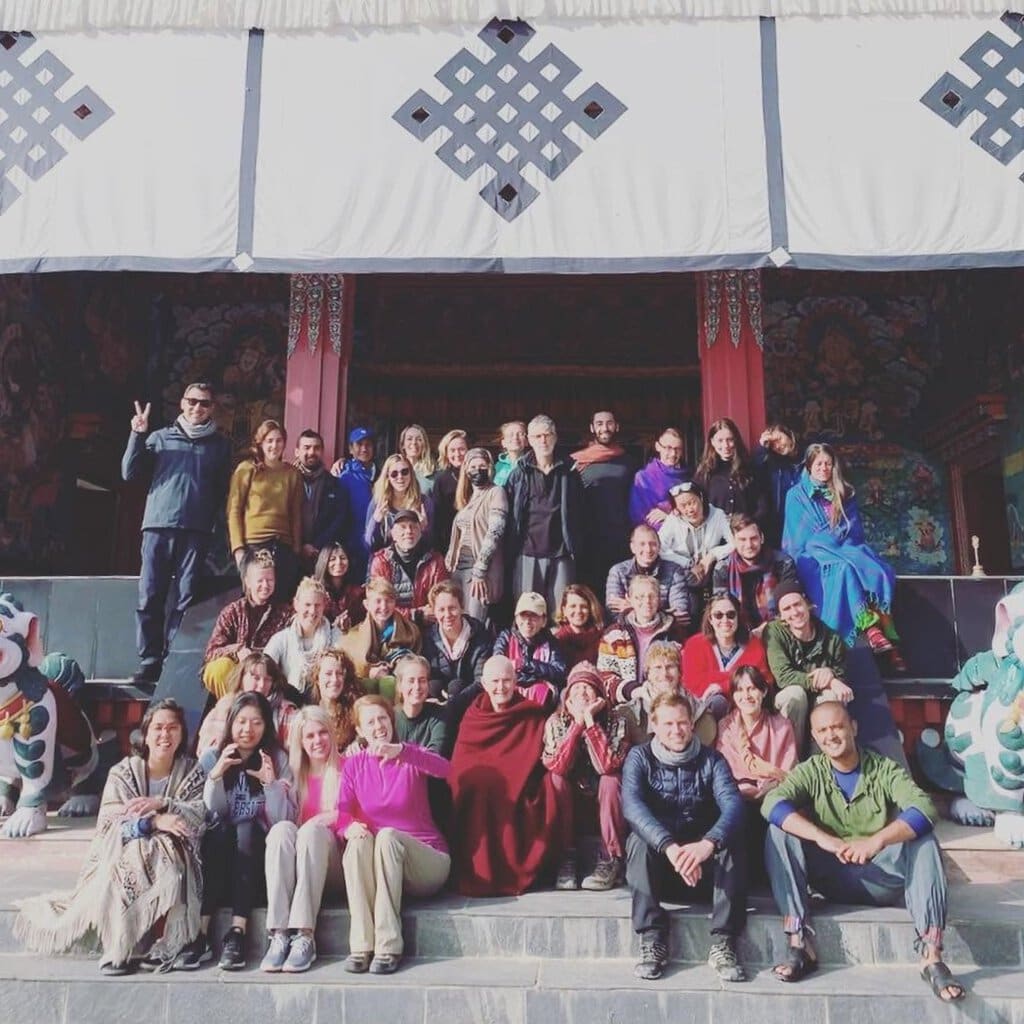
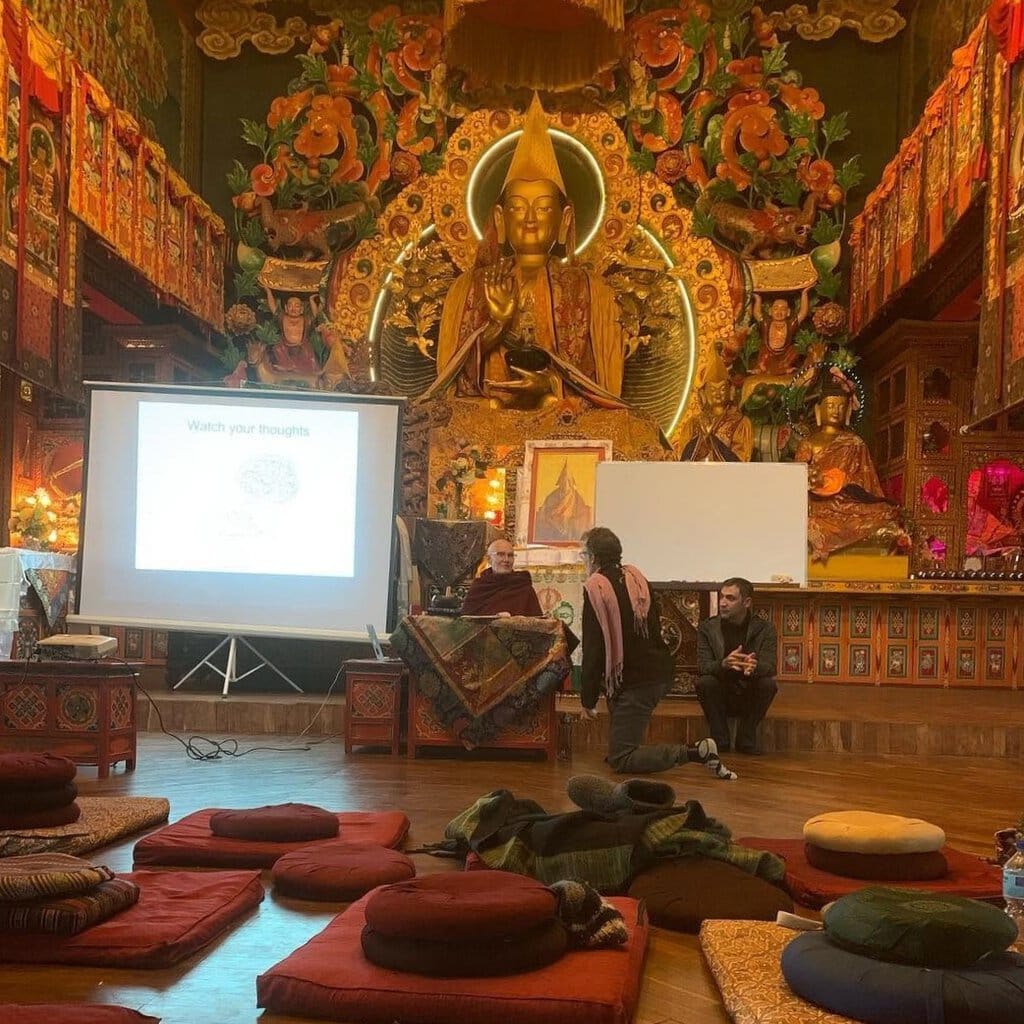
The Memorial Award enabled me to travel internationally and learn about mindfulness from people with different experiences and perspectives. My first destination was Nepal. I travelled to Kathmandu and took part in a Mindfulness in Daily Living course in a Buddhist monastery alongside forty other participants. For ten days, I immersed myself in a completely different way of living. A portion of every day was spent in silence, as were the final two days. Before I arrived, this was something I was really nervous about but, in reality, it became one of my favourite parts of the day. Without distractions, I had space to mentally digest everything I was learning and, importantly, practise it. Over those ten days, I learnt more about myself and others than I can remember learning during any other period of my life.
The next part of my research took me to the United States. I’ll be honest and admit that after the wealth of knowledge I gained in Nepal, I was sceptical that there was much left to learn that wasn’t repeating or even diluting what I already knew. I couldn’t have been more wrong! During my time in New York and Los Angeles, I met eight mindfulness practitioners, each with very different perspectives and approaches. Until then, most of my knowledge had come from the Buddhist perspective, I was now introduced to secular, scientific, philosophical, educational, and humanitarian approaches.
One of my most memorable experiences was practising mindful breathing in a busy New York coffee shop. Surrounded by the noise and movement of the city, there was complete calm. It was a reminder delivered to young people. Staff that mindfulness doesn’t need a perfect environment. It can happen anywhere. I also visited schools where mindfulness and yoga were embedded into the curriculum. A powerful part was hearing directly from the children. One girl told me how she used deep breathing and positive self-talk when she felt stressed and another explained how mindfulness had helped her manage her anger and avoid getting into fights.
Another important lesson came from observing a 20-minute mindfulness session delivered to 13-year-old boys. The practitioner described herself as a “seed planter,” which really challenged my thinking around outcomes and reminded me that even a short intervention can have an impact. I also met someone who had established mindfulness sessions for teachers. The idea was to better support young people by creating calmer teachers and classroom environments. This really resonated with me.
The impact of the Memorial Award
Following my experiences, I integrated mindfulness practices into the staff team I managed and introduced practical mindfulness techniques into the programmes we delivered to young people. Staff reported feeling calmer, less stressed, and better able to manage the pressures of their roles. We also saw positive changes in our education sessions, with young people engaging more readily with the activities and staff reporting improved outcomes.
In addition, I began working with a mental health charity in Liverpool that was set up during the COVID-19 pandemic. The charity works with GPs through social prescribing, and I delivered weekly mindfulness sessions online. I am now a qualified coach and use mindfulness techniques within my coaching practice. For me, mindfulness and coaching work great together. Mindfulness creates space to notice what is happening — our thoughts, feelings, behaviours, and assumptions — while coaching helps create and take next steps. Within my organisation, I am a Wellbeing Champion and regularly deliver mindfulness sessions for colleagues across the country. Themes include confidence, self-esteem, self-care, stress and more.
One of the most important things I have learnt is that mindfulness doesn’t need to look the same for everyone and it is adaptable to the individual, the environment, and what people need at that time. This enables me to spread the benefits of mindfulness far and wide.
Read the full latest issue of Rank Ripples magazine
Rhannu
Tagiau
Newyddion RankNet
Newyddion Diweddar
Rank Memorial Award Winners 2026
Rank Ripples – Autumn 2026 Edition
Ripples Story: “Expect the unexpected”